Will adding attic insulation actually lower your energy bills in Austin, and by how much? It is a fair question before spending money on an attic project, and the honest answer is more modest than many ads suggest. Savings depend heavily on how much insulation you already have, how airtight the ceiling is, and whether your ductwork runs through the attic. This guide uses ENERGY STAR’s own estimates for Austin’s climate zone to explain what kind of savings are realistic, where the money is really lost, and how to decide whether an attic upgrade makes sense for your home.
Key Takeaways
- ENERGY STAR’s modeled savings for Austin’s climate zone are real but modest; percentage claims well above that deserve questions.
- The first inches of insulation do the most work. Topping up an attic that already meets the recommended level brings smaller returns.
- Air sealing should come before new insulation, because insulation does not stop air leaking through gaps in the ceiling.
- In many Austin homes, ductwork in the hot attic is a bigger energy issue than the insulation on the attic floor.
What the Numbers Actually Say for Austin
ENERGY STAR publishes a methodology for its savings estimates on sealing and insulating. It models a typical home built between 1970 and 1989, about 1,700 square feet, then estimates savings from air sealing and adding insulation in the attic and other accessible areas. The results vary by climate zone.
| ENERGY STAR Estimate | Heating and Cooling Only | Total Utility Bill |
|---|---|---|
| National average | 15% | 11% |
| Climate zone 2 (includes Austin) | 9% | 6% |
| Climate zone 1 (southernmost) | 7% | 5% |
ENERGY STAR explains that estimated savings are higher in the North than the South because of climate, regional construction styles, and fuel types. These are modeled estimates for a typical house combining sealing and insulation, not a guarantee for yours. Your result could be higher or lower.
Why Your Savings Could Be Higher or Lower
The biggest factor is where your attic starts. Adding insulation to an attic with only a few inches, or with bare spots, makes a much larger difference than adding more to an attic that already meets the recommended level. The extra resistance from each additional inch gets smaller as the layer gets deeper.
| Where Your Attic Starts | What to Expect From Adding Insulation |
|---|---|
| Little or no insulation, or large bare areas | The most noticeable change in comfort and cooling load |
| Thin, settled, or uneven insulation | A meaningful improvement once coverage is brought up evenly |
| Damaged, wet or contaminated insulation | Removal and replacement first; savings depend on what is installed |
| Already near the recommended level | Small additional savings; sealing and ducts may matter more |
Other factors that move the number include how leaky the ceiling is, whether the air handler and ducts sit in the attic, the condition of those ducts, how many hours the AC runs, and your thermostat habits. Two neighboring homes can get very different results from the same project.
Austin Attics Are Hot, and That Is Where the Ducts Are
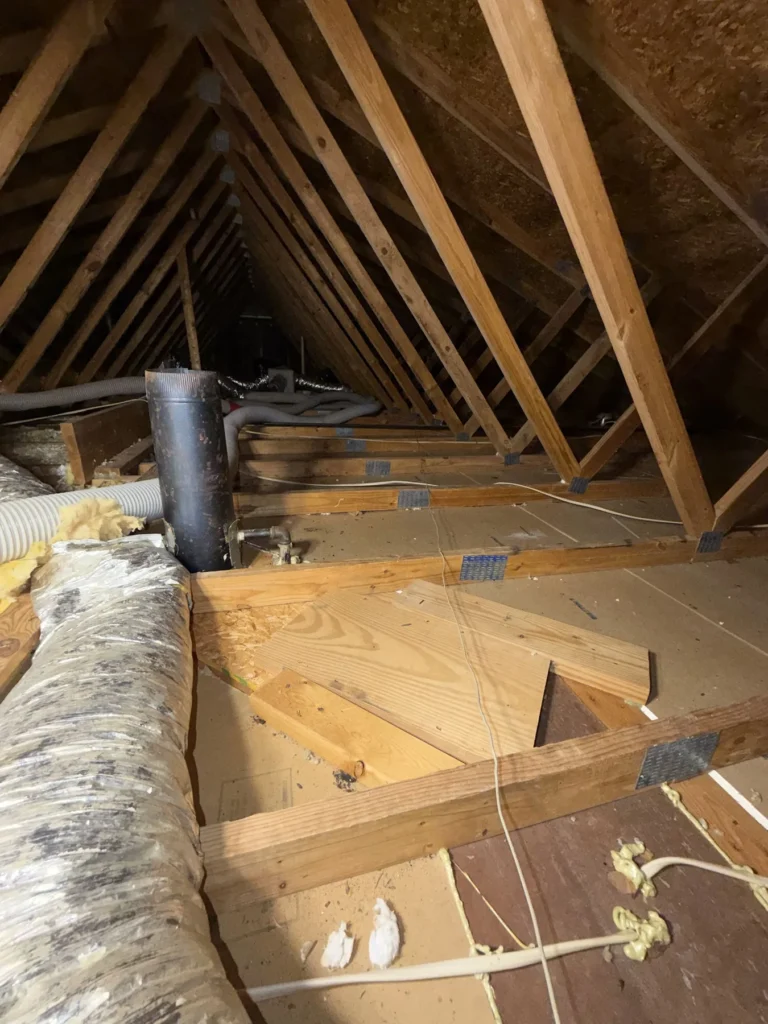
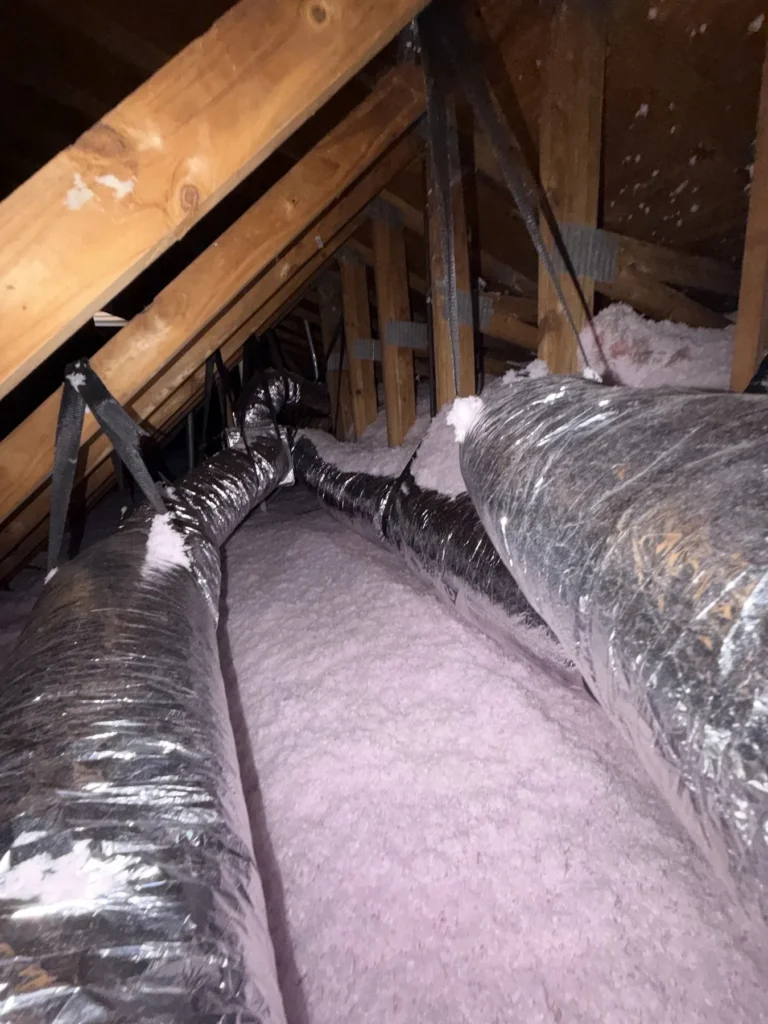
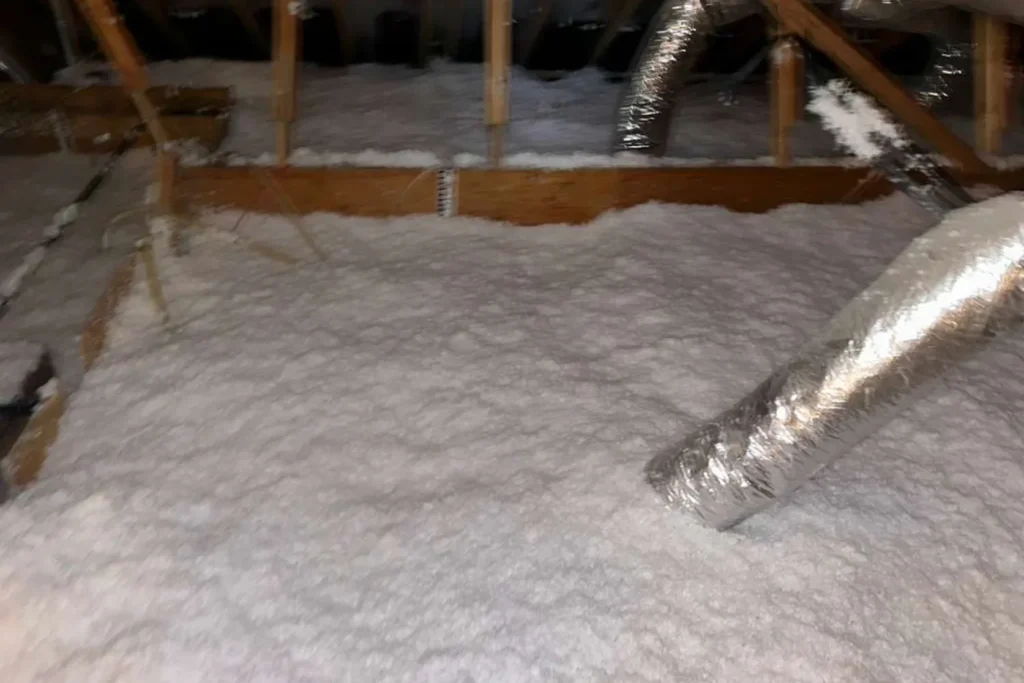
An Austin attic in July can be far hotter than the rooms below it. Insulation on the attic floor slows the heat moving down into the house. But in many local homes, the air handler and supply ducts sit inside that same hot attic, above the insulation.
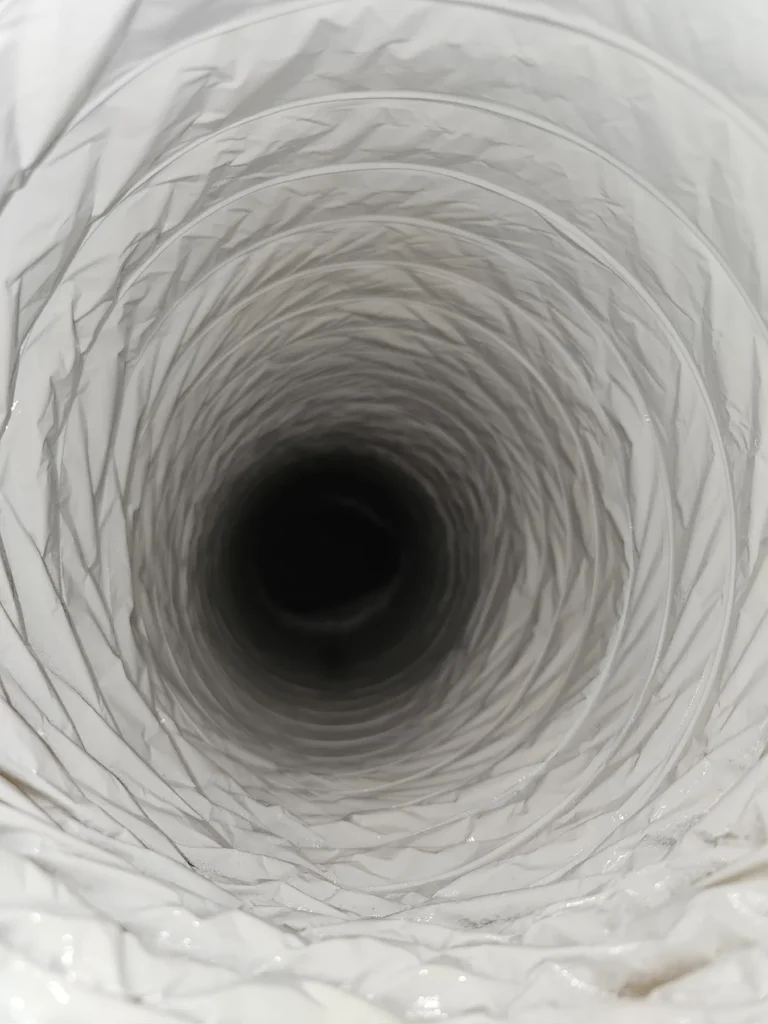
That matters for savings. Cooled air traveling through a hot attic can pick up heat before it reaches your rooms, especially if duct insulation is torn or missing. ENERGY STAR estimates that a typical duct system loses about 20 to 30 percent of the air it moves to leaks, holes, and poor connections. In a home with leaky attic ducts, duct repair and sealing or duct insulation may do more for comfort and cooling costs than another layer on the attic floor.
A radiant barrier under the roof deck is another option some Austin homeowners consider. It reflects heat radiating down from the sun-heated roof and tends to help most where ductwork runs through the attic. It works alongside floor insulation; it does not replace it.
Seal First, Then Insulate
Insulation slows heat; it does not stop air. Gaps around recessed lights, plumbing and wiring penetrations, the attic hatch, and duct or flue chases let conditioned air escape and hot attic air in. If new insulation is blown over those gaps, they are buried and much harder to fix later.
That is why ENERGY STAR’s savings estimates combine air sealing with insulation, and why attic air sealing is best done before new insulation goes in. Dust streaks on existing insulation, drafty ceiling fixtures, and rooms that never feel comfortable are common signs of attic leaks.
Want to Know What Your Attic Actually Has?
Most savings questions come down to a few facts you can measure: insulation depth and coverage, its condition, obvious air leaks, and the state of the ductwork in the attic. Our current Insulation Check-Up offer looks at depth, coverage, and condition, with the price and scope confirmed when you inquire. If the attic is already in good shape, we will tell you.
How to Estimate Your Own Potential Savings
You do not need an energy model to get a rough sense of whether an attic project is worth it. These steps help:
- Measure the depth. If you can safely reach the attic, measure the insulation in several places with a ruler. Note thin spots, bare areas, and places where it has been pushed aside by other work.
- Look at your summer bills. Compare peak summer months with mild spring or fall months. The difference is roughly what cooling costs you. A 9 percent reduction in that portion gives you a ballpark, not a promise.
- Check for comfort clues. Upstairs rooms that run hot, ceilings that feel warm in the afternoon, or one wing that never cools evenly point to insulation, leak, or duct problems.
- Note what is up there. Ducts, the air handler, signs of pests, or water stains all change what the project should include.
An insulation inspection and audit does the same work more thoroughly: it measures depth across the attic, notes moisture, pests, compression, and contamination, flags air leaks and blocked soffits, checks the attic ductwork, and gives you a plain-language recommendation with photos.
Comfort Is Often the Bigger Payoff
In a southern climate where bill savings are modest, many homeowners find the more noticeable change is comfort. Bringing the whole attic floor to an even level helps upstairs bedrooms and rooms under thin sections of insulation stay closer to the thermostat setting. A lighter cooling load also means the system does not have to work as hard through a long Austin summer.
Our earlier article on why attic insulation matters covers recommended levels, insulation types, and what to check before installing. For the broader energy picture, including filters, coils, and dryer vents, see where home energy is actually lost.
Which Improvement Fits Your Attic?
| Improvement | What It Addresses | Worth Considering When |
|---|---|---|
| Attic insulation installation | Heat moving through the ceiling | Insulation is thin, uneven, or below the recommended level |
| Air sealing | Air leaking between the house and attic | Before any new insulation, or with drafty fixtures |
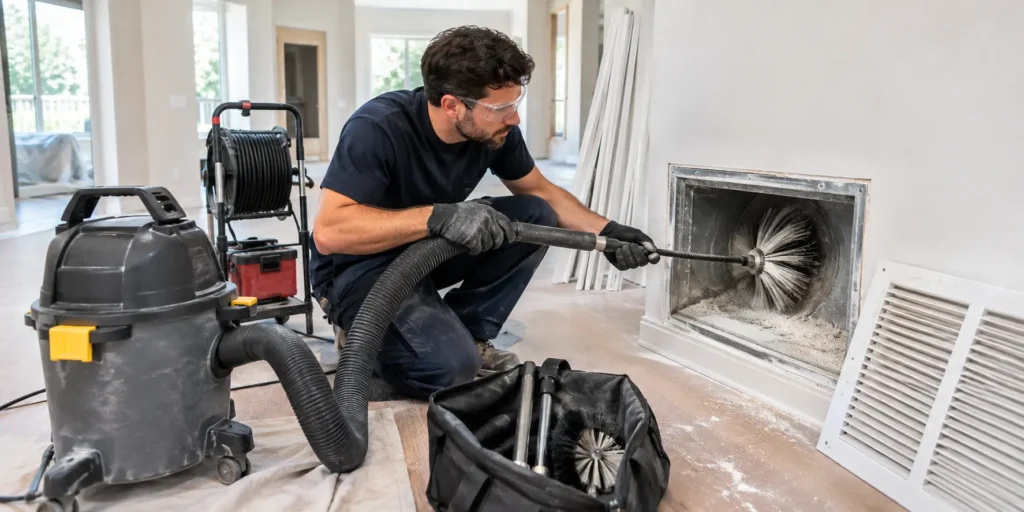
| Duct sealing and insulation | Cooled air lost or heated in the attic | Ducts run through the attic and are leaky or poorly insulated |
| Radiant barrier | Radiant heat from the roof deck | Hot attic with ductwork, paired with floor insulation |
| Insulation removal and replacement | Wet, damaged, or contaminated insulation | Pests, water damage, or heavy compression |
If pests have been in the attic, cleanup comes before new insulation. Our attic rodent cleanup and sanitization project shows debris removed, the space sanitized, and new insulation installed.
Questions to Ask Before You Pay for Insulation
- What R-value and depth will be installed, and will depth markers show it afterward?
- Will air sealing be done first, and which areas are included?
- How will soffit vents be kept clear?
- What is the condition of the ductwork in the attic, and is it part of the plan?
- Will I get photos of the finished coverage?
Be cautious of anyone who promises a specific percentage off your bill without measuring your attic first.