Each service has its own page with what it covers, how it works and common questions.
Energy savings
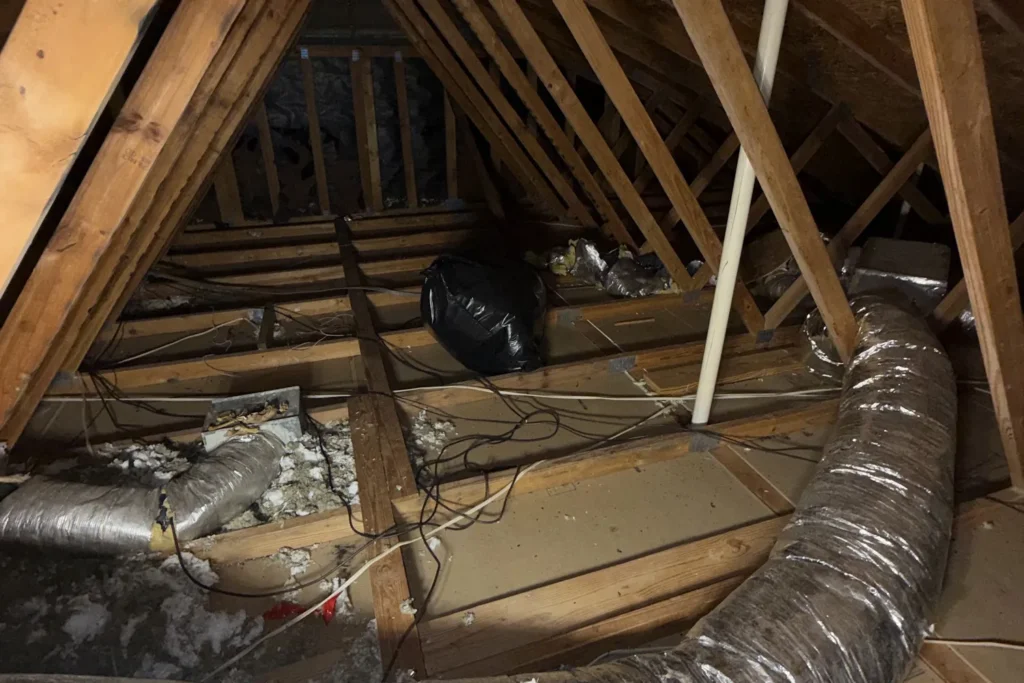
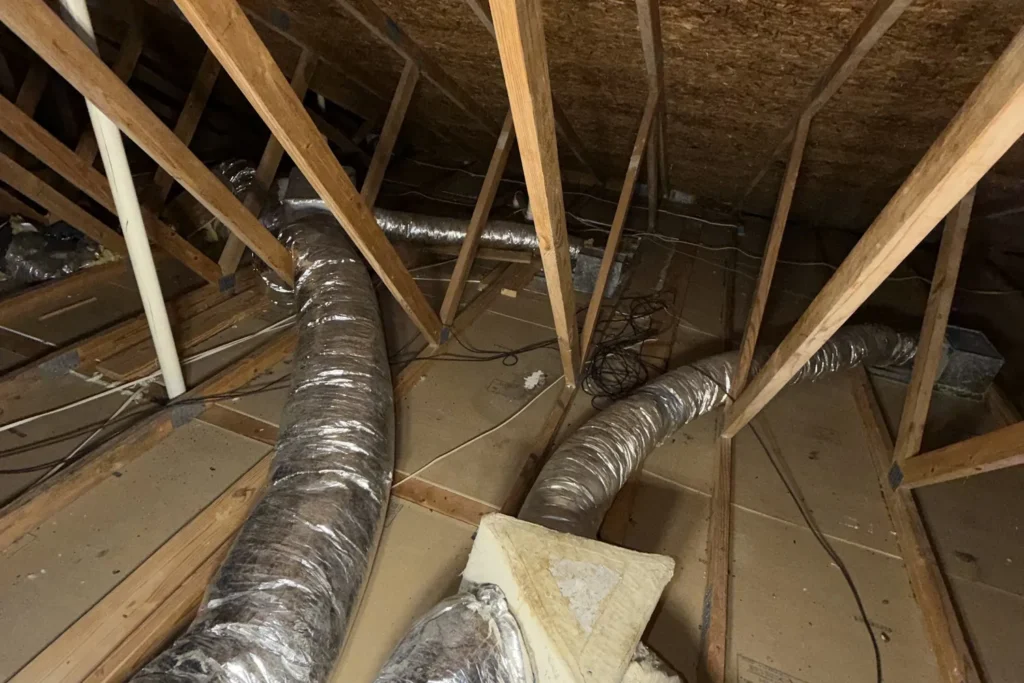
On a Texas summer day an under-insulated attic can reach up to 175°F. That heat moves down into your living space, so your AC runs longer and your energy bills go up. Warm, poorly vented attics also collect condensation, which can lead to mold and mildew.
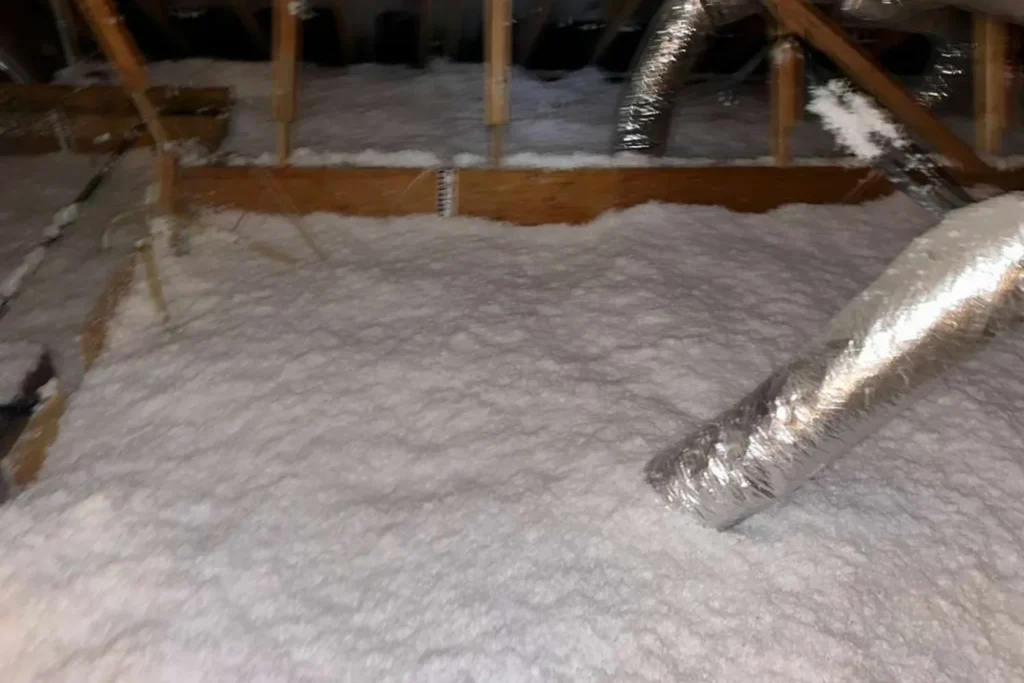
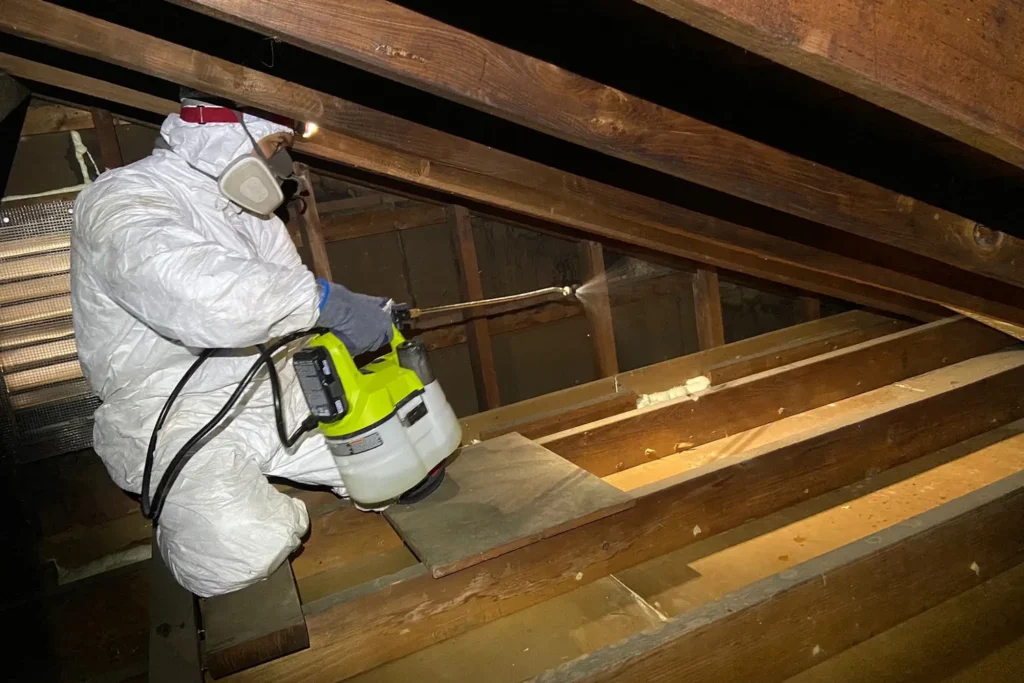
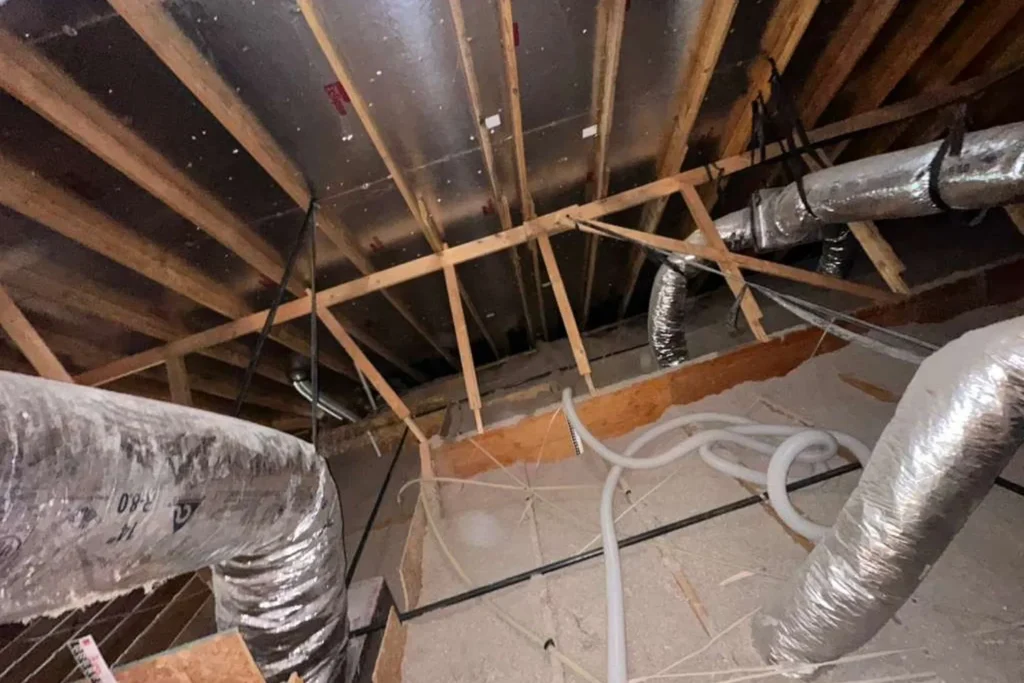
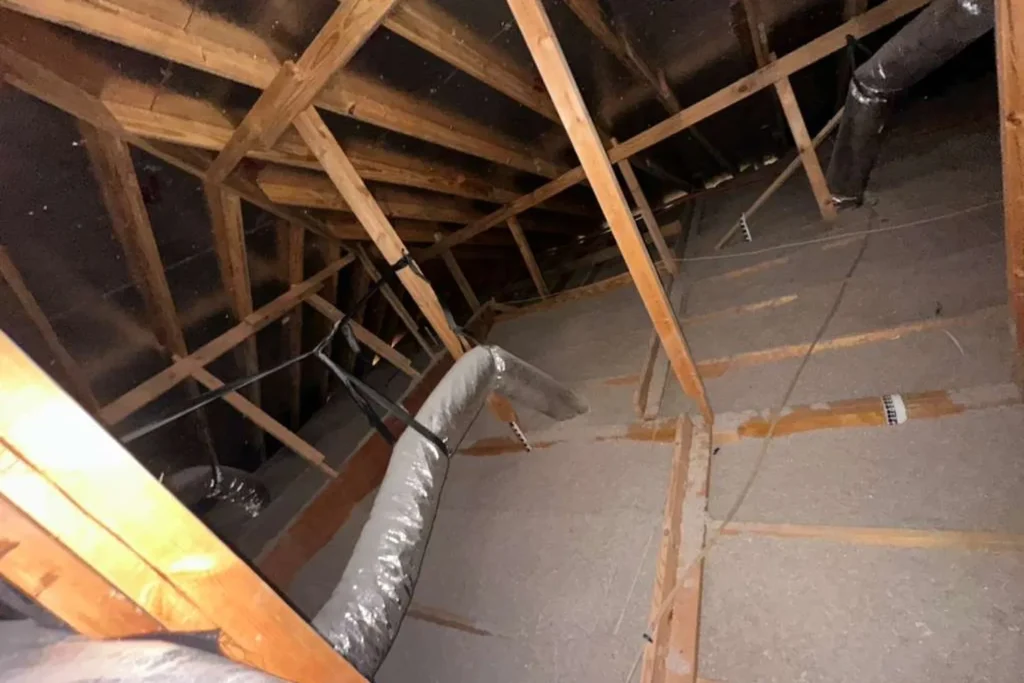
The fix starts with sealing air leaks, then bringing the insulation up to the right level and insulating the ductwork that runs through the attic. Not sure where your attic stands? Start with an insulation inspection.
Reviews are collected on Google and shown here as they come in.
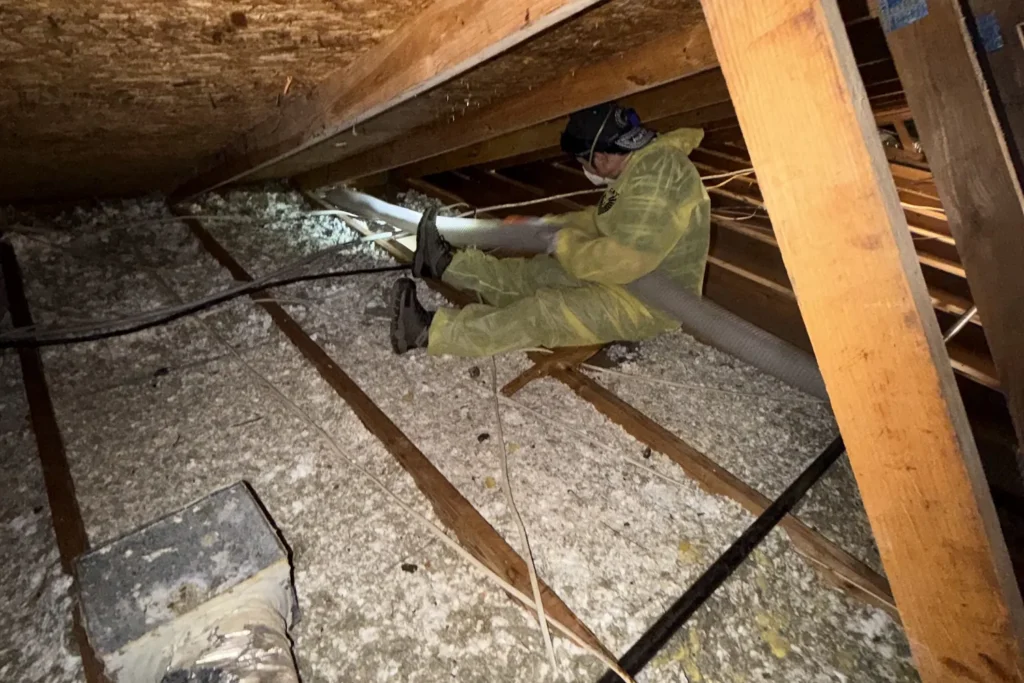
It depends on the attic layout, the insulation already in place and the access. Blown-in fiberglass or cellulose fills irregular spaces, batts suit open joist bays, and spray foam also seals gaps. Describe your attic when you request an estimate so the options can be discussed.
ENERGY STAR publishes recommended attic levels by climate zone. Austin is in zone 2, where it recommends R-49 for an uninsulated attic floor and R-38 where 3–4 inches are already installed. An inspection shows what your attic has now.
In summer an attic can become much hotter than the rooms below it. Without enough insulation, that heat moves into the living space and the cooling system has to run longer to keep up. Ductwork that runs through the attic is exposed to the same heat.
Yes. Mention any ductwork in the attic when you inquire, and list every service you are considering in one request so the scope and scheduling can be discussed together.
Tell us about your property and what you want addressed. We can help you identify the next step.