Why indoor air matters
According to the EPA, Americans spend about 90 percent of their time indoors, where concentrations of some pollutants are often two to five times higher than typical outdoor levels. Modern homes are built tighter to save energy, which also means pollutants generated inside do not escape as easily.
Where indoor pollutants come from
- Cooking, especially frying and gas cooking.
- Cleaning products, fragrances and some new furnishings.
- Pet dander, dust mites and pollen tracked in from outside.
- Moisture problems that allow mold to grow.
- Fuel-burning appliances that are not venting properly.
What helps, in order
1. Control the source
The EPA describes source control as the most effective approach: remove or reduce what creates the pollution. Fix moisture problems, use range hoods when cooking, and keep fuel-burning appliances serviced.
2. Ventilate
Bringing in outdoor air and using exhaust fans in kitchens and bathrooms dilutes pollutants that are produced indoors.
3. Filter the air
The HVAC filter cleans the air every time the system runs. Use the type and size your system is designed for, make sure it fits without gaps, and change or clean it on schedule. Higher-efficiency filters capture more particles, but check that your system can handle them. Avoid ozone-generating “air purifiers”; the EPA explains why.
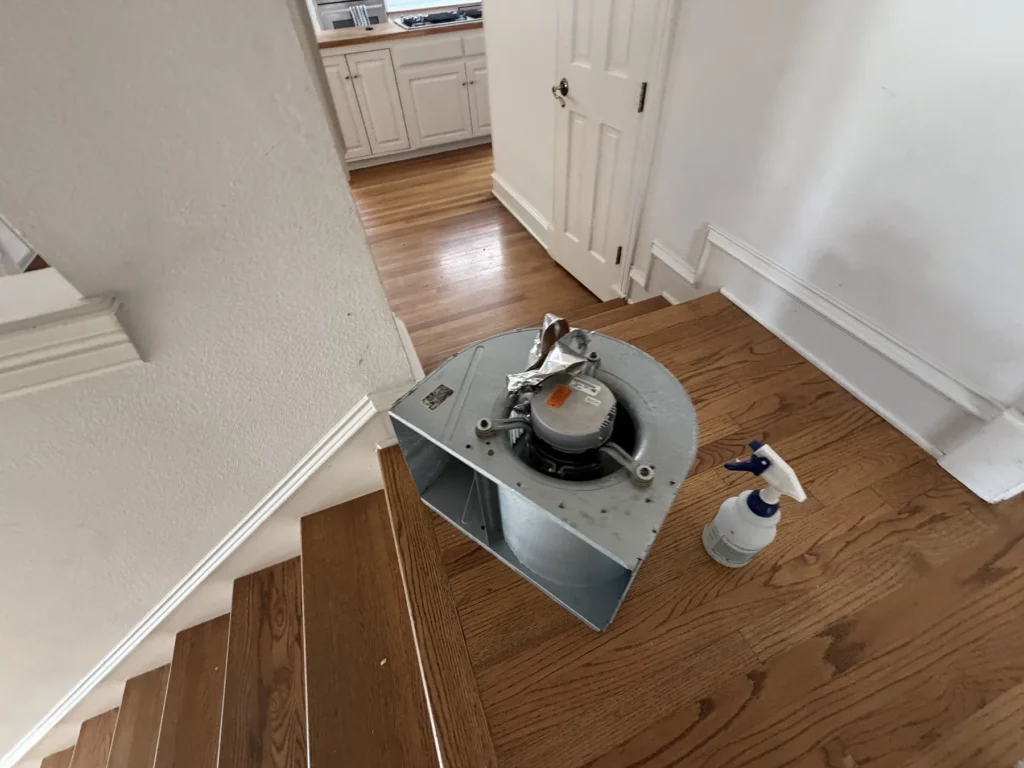
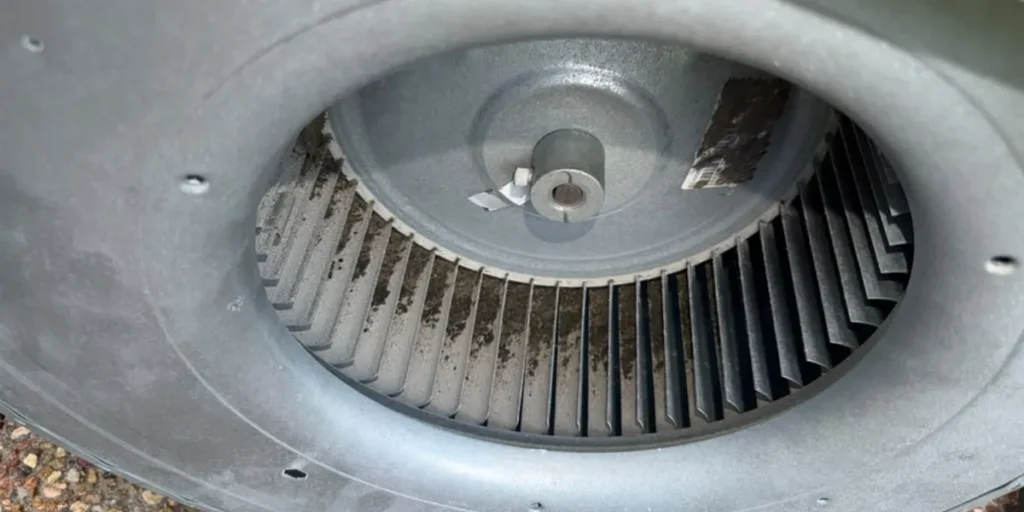
4. Keep the system clean
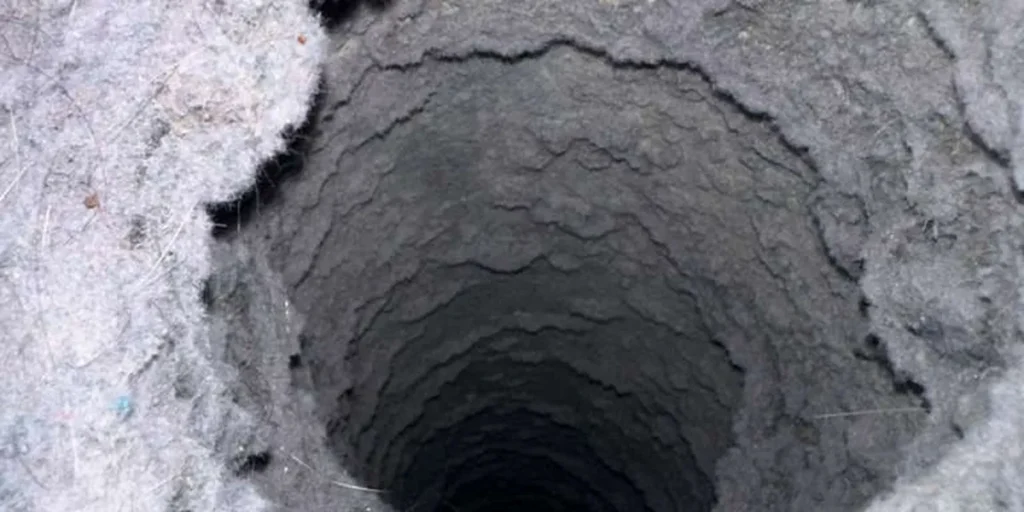
The EPA notes that duct cleaning has not been shown to prevent health problems, and that a light amount of dust in ducts is not known to pose a risk. Cleaning makes sense when there is substantial visible mold, a pest problem or excessive debris being released into the home. Our article on signs your ducts need cleaning explains how to decide.
UV lights and electrostatic filters
UV lamps installed near the indoor coil are intended to limit microbial growth on the surfaces they reach; they do not remove dust or dander. Washable electrostatic filters use a static charge to catch particles and can be reused if they are cleaned regularly. Learn more about our UV lights and air filters.
Health concerns
If someone in your home has persistent respiratory symptoms, discuss them with a healthcare professional. Home improvements can reduce exposure to pollutants, but they are not a substitute for medical advice.