Austin’s allergy calendar
Central Texas has two well-known peaks. In winter, mountain cedar (Ashe juniper) pollen causes what locals call cedar fever. In spring, oak and grass pollen take over. Pollen comes indoors on clothes, pets and through open windows and doors.
What your HVAC system can do
Filter well
The HVAC filter cleans the air every time the system runs. Use a filter that fits without gaps and is as efficient as your system can handle, and check it monthly during allergy season. The EPA’s guide to air cleaners and filters explains the options. See our air filter service.
Keep the system circulating
Air only passes through the filter when the system is running. Keeping windows closed and letting the system circulate air helps the filter do its job.
Seal return-side leaks
Leaky return ducts can pull dusty attic air into the system. ENERGY STAR estimates typical duct systems lose 20 to 30 percent of their air to leaks.
What duct cleaning can and cannot do
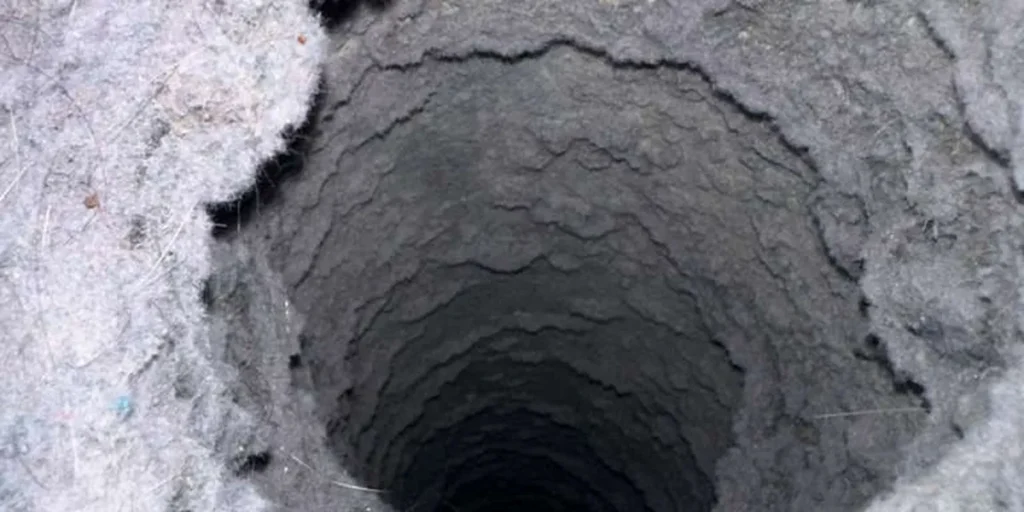
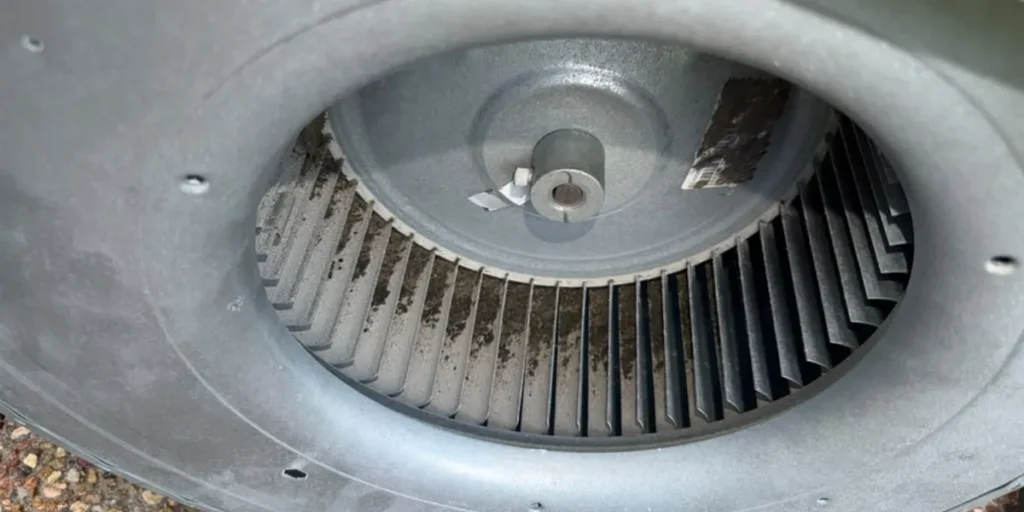
Duct cleaning removes debris that has built up inside the system. It makes sense when an inspection finds substantial dust, pests or mold. The EPA states that duct cleaning has never been shown to prevent health problems, so it should not be treated as an allergy treatment. Our indoor air quality guide covers source control and ventilation.
Talk to your doctor
If allergy symptoms are persistent or severe, talk to a healthcare professional. Home improvements can reduce exposure, but they are not medical treatment.