Why dryers overheat
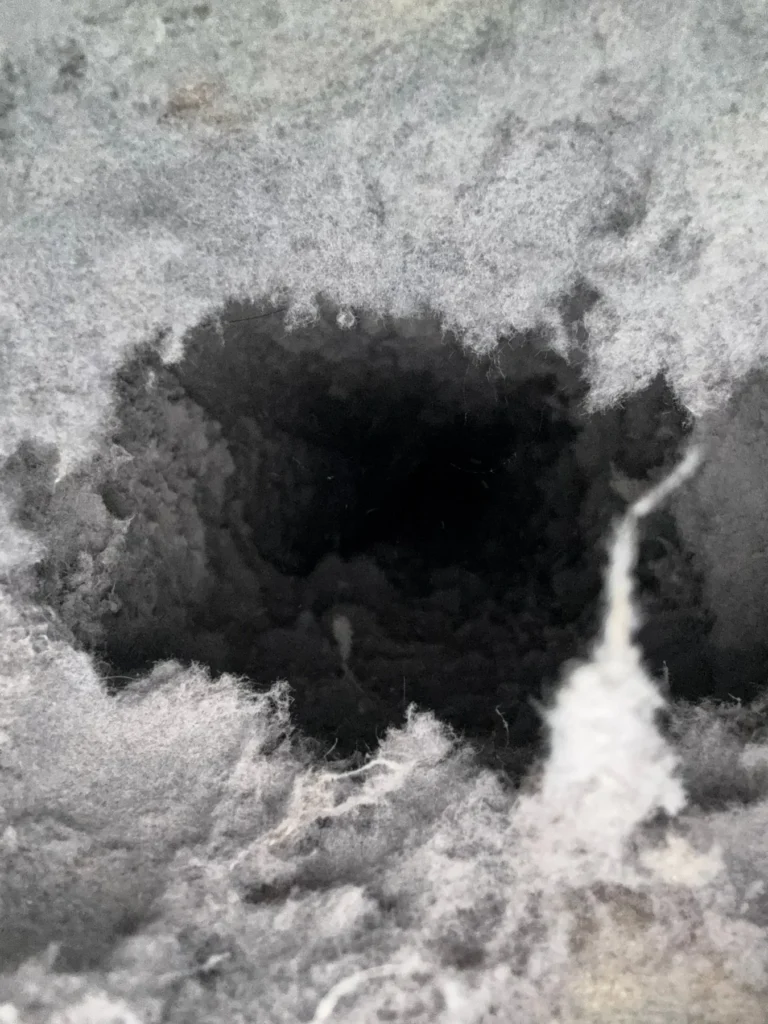
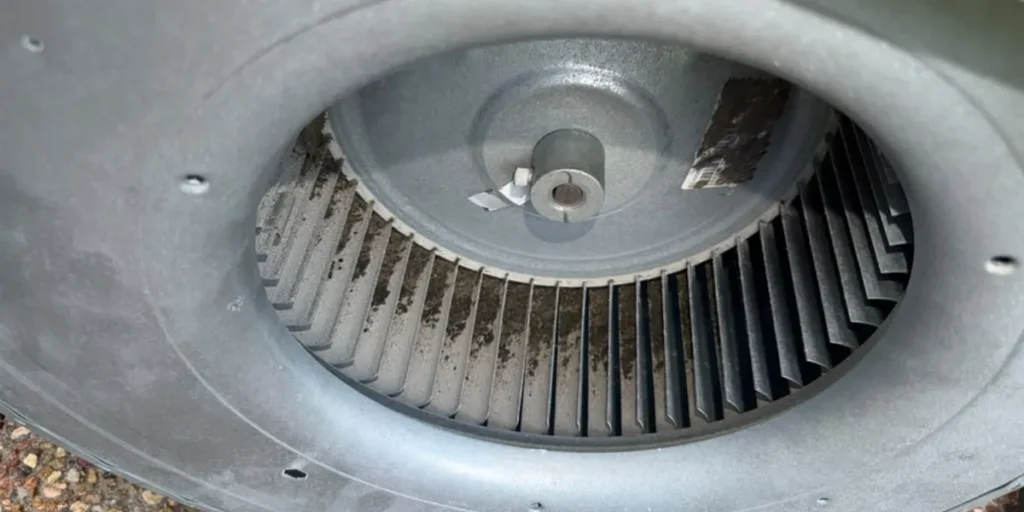
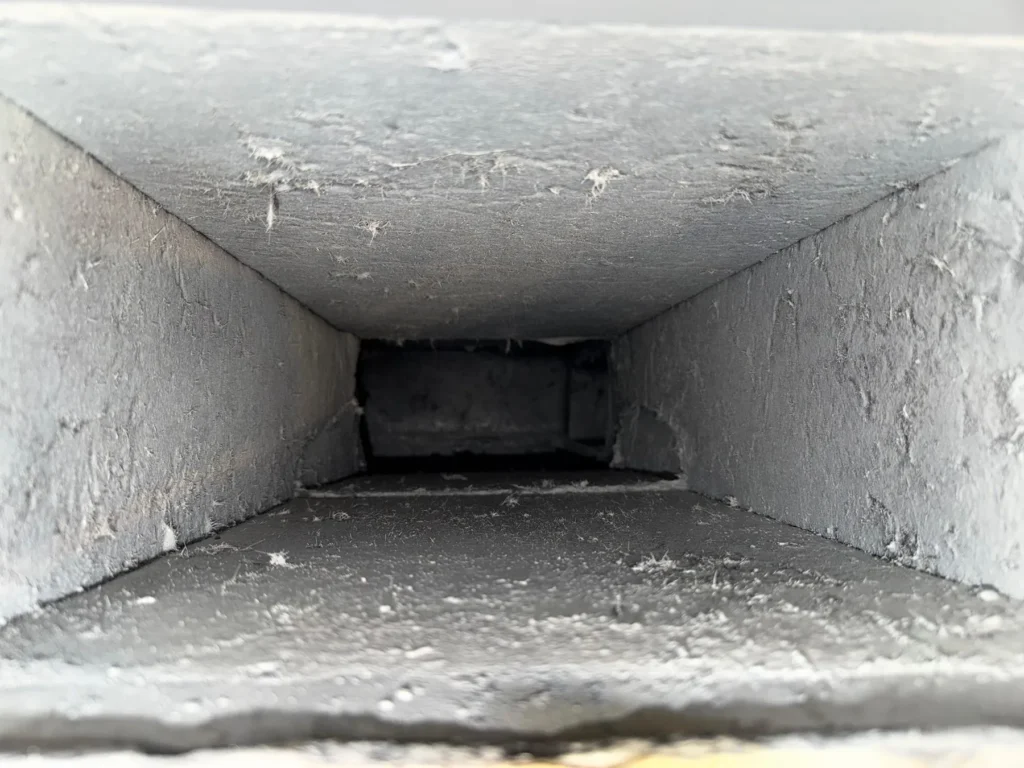
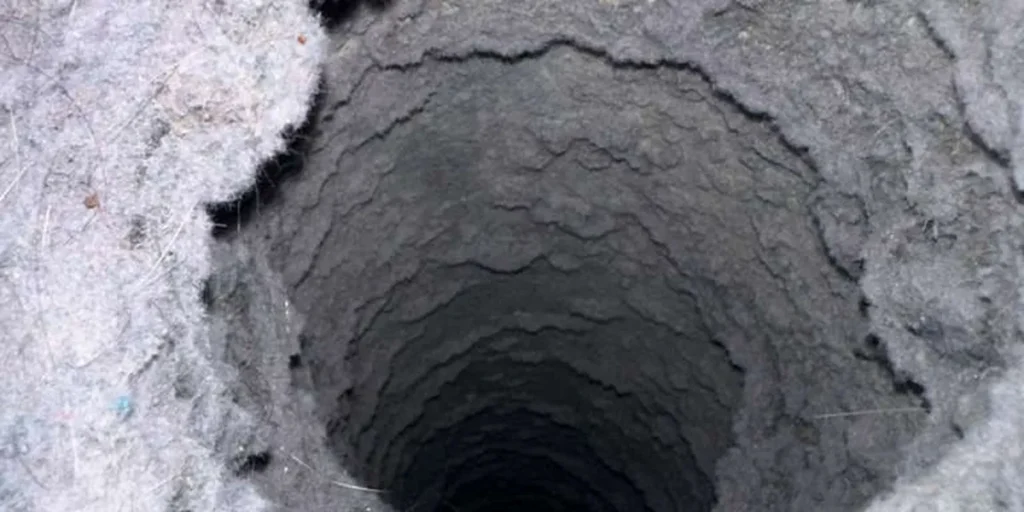
A dryer pushes hot, moist, lint-filled air through the vent to the outside. When lint builds up in the vent, airflow drops, the dryer runs hotter and longer, and the lint itself is combustible. The U.S. Consumer Product Safety Commission warns that restricted airflow can contribute to overheating and fires.
Habits that reduce the risk
- Clean the lint screen before or after every load.
- Use metal venting. The CPSC recommends rigid or flexible metal duct rather than plastic or foil.
- Keep the outside cover clear of lint, plants and nests, and make sure the flap opens when the dryer runs.
- Do not overload the dryer, and do not leave it running when nobody is home or overnight.
- Keep the area around the dryer clear of lint, boxes and clothing.
- Follow the manual for venting length and maintenance.
When to clean the vent
Have the vent cleaned when clothes take longer to dry, the laundry room gets hot, there is lint around the outside cover or the dryer shows a check-vent warning. See ten signs your dryer vent needs attention.
What a professional cleaning covers
A dryer vent cleaning clears the full route, from the connector behind the dryer to the outside termination, and checks for crushed or disconnected sections. If you are not sure of the vent’s condition, a dryer vent inspection gives you a clear picture first.