Residential · Austin area, TX

Roof-Mounted Dryer Vent Cleaning

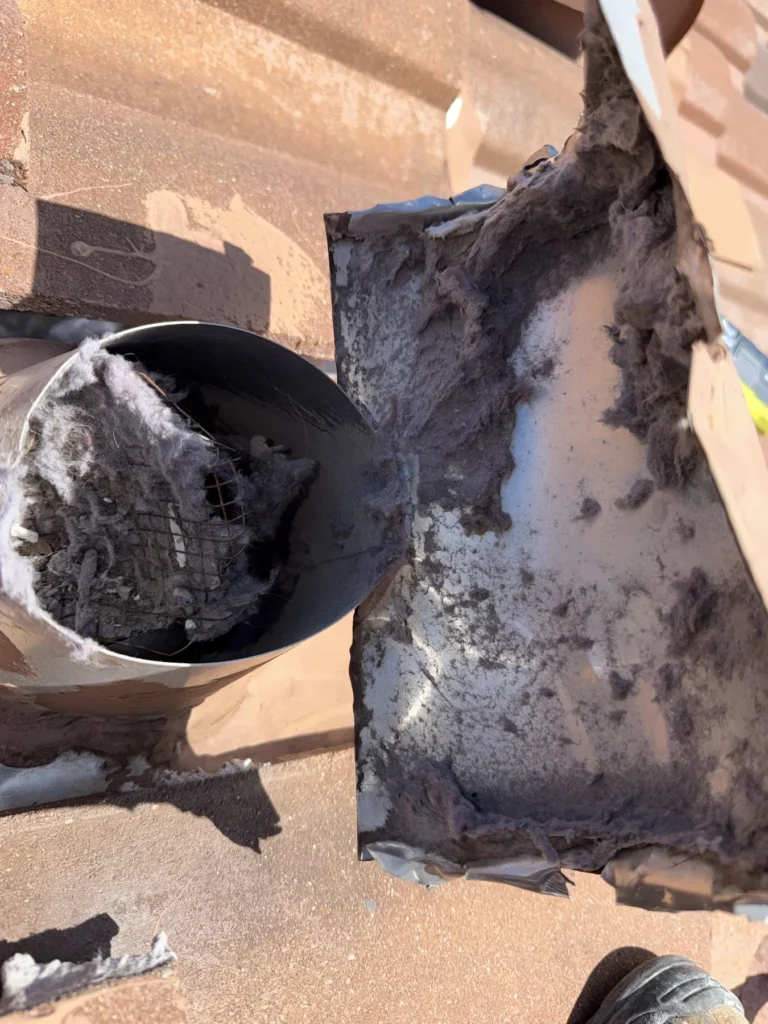
On this home, the dryer vent runs up through the attic and out of a cap on the roof. Lint had built up in the duct and under the roof cap.
Property type
Residential
Property
Single-family home
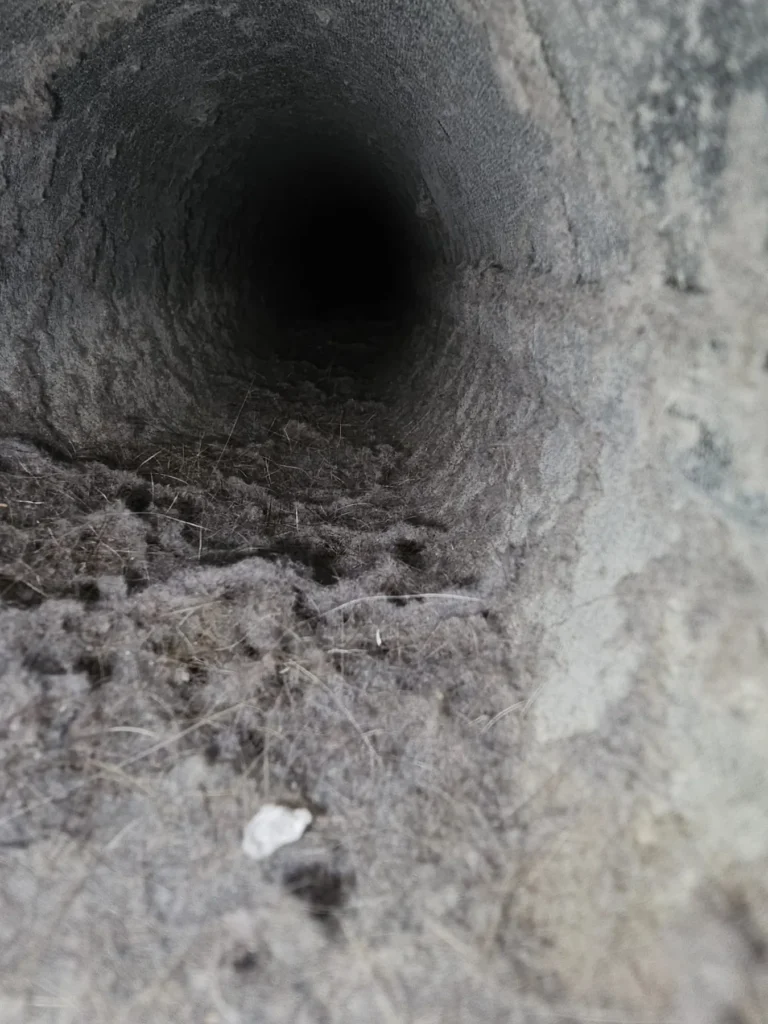
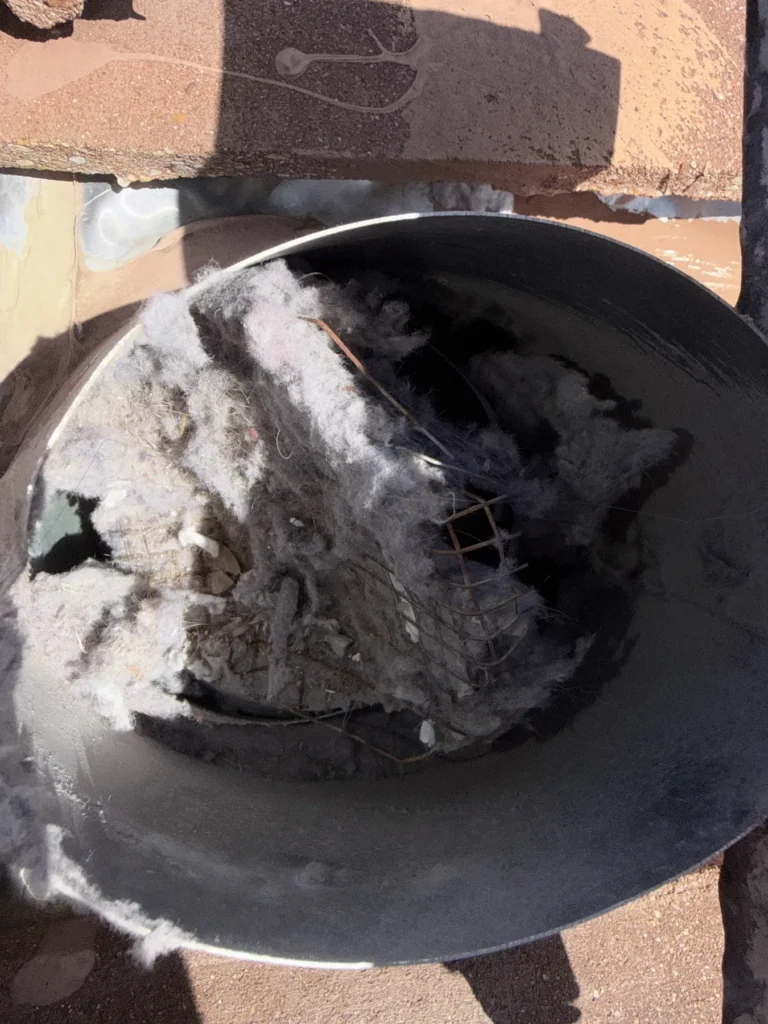
Lint collected under a rooftop dryer vent cap
The request

What the homeowner needed

Rooftop vents are long and vertical, so lint falls back and collects instead of blowing out, and the roof cap traps more of it. The homeowner needed the vent cleaned from the roof down.

Work performed

  1. 01Work from the roof. Access the roof cap safely and open it to see how much lint had collected under it.
  2. 02Clear the cap and duct. Remove the lint from the cap and clean the duct down to the dryer connection.
  3. 03Close the cap and test. Refit the roof cap and confirm the dryer is exhausting through the roof.
Before and after

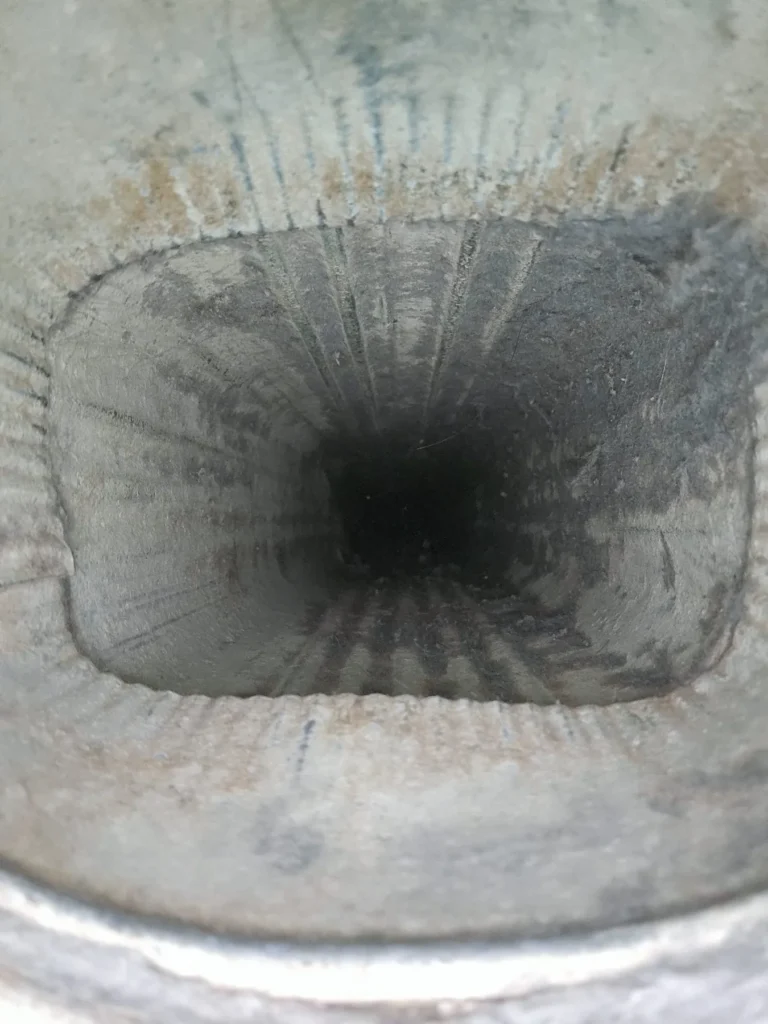
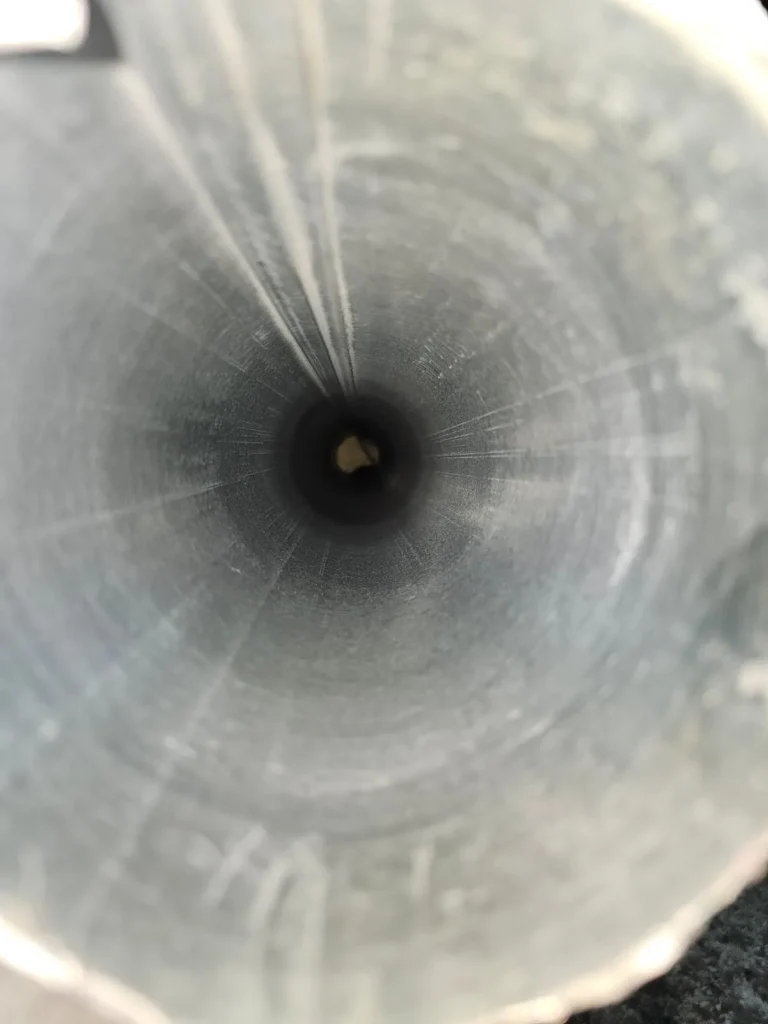
The same spot, before and after

Project details

A closer look at the job

What we found

The photos show lint collected under the rooftop vent cap and inside the top of the vent, and lint coating the inside of the vertical duct below it. Because the vent runs straight up, the lint had settled back down the duct instead of blowing out.

How we approached it

Rooftop vents have to be cleaned from the top. We accessed the roof safely, opened the vent cap and cleared the lint that had collected under it. The duct was then cleaned from the roof down to the dryer connection. After the cap was refitted, we ran the dryer and confirmed the exhaust was coming out through the roof.

Signs to watch for

  • Longer drying times, especially after a recent clean of the lint screen
  • Lint visible on the roof around the vent cap
  • The dryer stopping mid-cycle because it overheats
  • A laundry room that feels warm or humid while the dryer runs
  • Never having had the rooftop vent cleaned

Why it matters

Dryer vents that exit through the roof are longer and more vertical than wall vents, so the dryer has to push the air further and higher. Lint falls back and builds up, and the roof cap traps more of it. These vents clog more often than wall vents and are harder for homeowners to check, which is why they are often left until there is a problem.

Outcome

How it finished

The roof cap and the duct were cleared of lint, and the vent was exhausting through the roof again when the dryer was tested.

Have a similar property?

Tell us about it and we’ll contact you to discuss your request. It does not confirm an appointment.

Questions

About this kind of job

Straight answers to the questions we hear most about this kind of work.

Why do rooftop dryer vents clog more than wall vents?

The air has to travel up and further, so lint falls back down the duct and collects. The roof cap also catches lint. Both slow the exhaust over time.

Can I clean a rooftop dryer vent myself?

Cleaning from inside only reaches part of the duct, and working on the roof has real risks. It is safer to have it cleaned with the right access and equipment.

Do you replace damaged roof caps?

If the cap is damaged or the wrong type for a dryer, we will point that out and can discuss replacing it.

How long does a rooftop vent cleaning take?

It depends on the length of the vent, the amount of lint and roof access. We confirm the details when you request an estimate.

Get in touch

Have a similar property?

Share a few details about the property and we’ll contact you to discuss your request. It does not confirm an appointment.

Call or text
(512) 354-2780
Hours
Open 24 hours, 7 days a week
We’ll contact you to discuss your request.