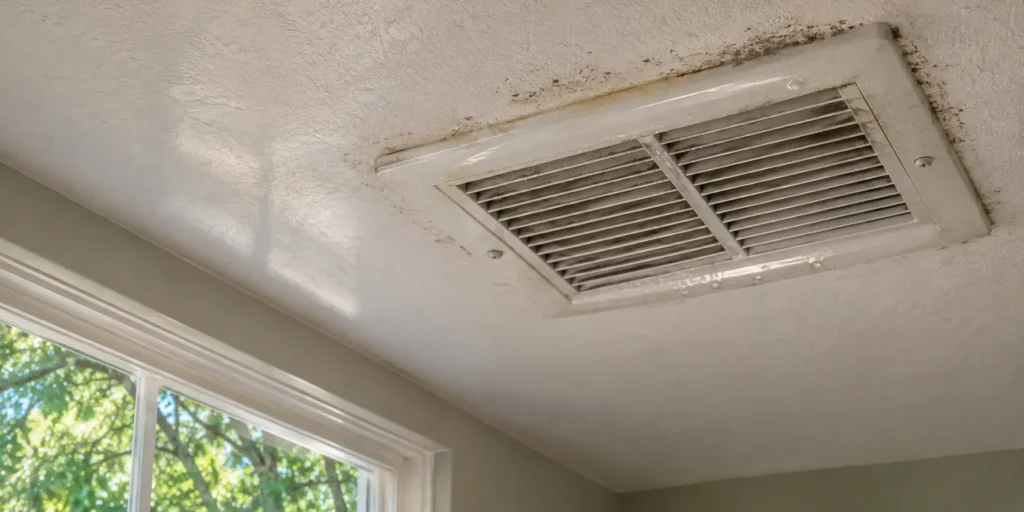
After months of heavy air conditioning, some Austin homeowners notice a musty smell when the system starts, a water stain on a ceiling below the attic, or dark spots around a supply register. The question is whether summer left a moisture problem in the HVAC system, and what to do about it now that the cooling season has eased. This article explains where summer moisture builds up in Austin systems, which signs deserve a closer look, and why fixing the moisture source matters more than any cleaning or treatment.
Key Takeaways
- Most summer HVAC moisture comes from condensation: cold supply ducts and coils meeting hot, humid air.
- Fall is a good time to check what summer left behind, because water stains, rust, and drain problems are still visible.
- The EPA recommends keeping indoor humidity below 60 percent, ideally between 30 and 50 percent.
- Duct insulation, duct sealing, drain maintenance, and coil cleaning address causes. Cleaning and sanitizing address what is already there.
Where Summer Moisture Comes From in an Austin System
Air conditioning removes moisture from the air on purpose, so water is always present somewhere in the system. As warm air passes over the cold indoor coil, moisture condenses, drips into a drain pan, and leaves through a condensate line. Problems start when that water ends up somewhere it should not, or when other surfaces get cold enough to collect their own condensation.
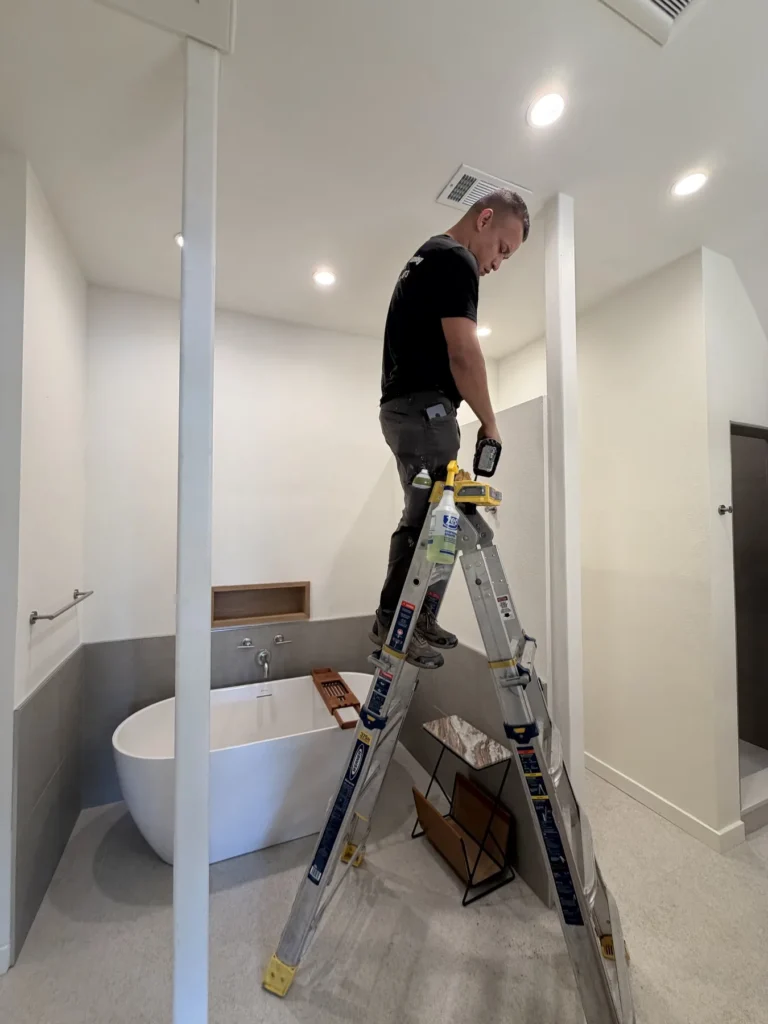
In many Austin homes, the air handler and most supply ducts sit in an attic that gets far hotter than the living space in summer. When a cold supply duct with torn, compressed or missing insulation passes through that air, the outside of the duct can sweat. Over a long cooling season, that moisture can drip onto ceiling drywall or soak into insulation.
The EPA also notes that an oversized cooling unit cycles on and off frequently, resulting in poor moisture removal, particularly in humid areas. A system that cools the house quickly but leaves it feeling clammy is worth mentioning during a tune-up.
| Summer Moisture Source | What You Might Notice | Service to Discuss |
|---|---|---|
| Sweating supply ducts in a hot attic | Ceiling stains below duct runs, damp insulation | Duct insulation, repair and sealing |
| Clogged condensate drain or pan | Water around the air handler, rust, a musty smell | Coil and drain pan cleaning, HVAC tune-up |
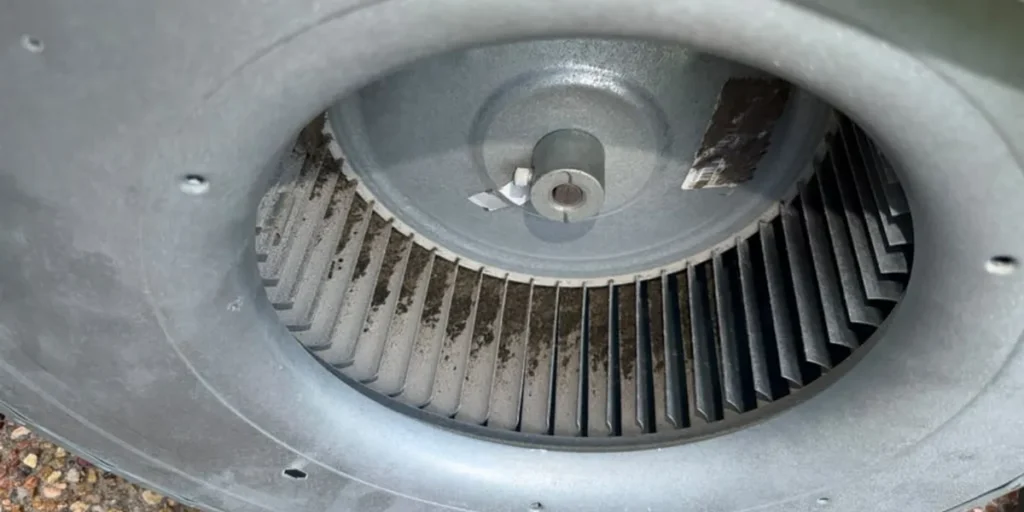
| Dirty or damp indoor coil | Musty odor at startup, weak cooling | AC evaporator coil cleaning |
| Humid attic air leaking into ducts | Dust streaks at joints, uneven cooling | Air duct repair and sealing |
| Poor humidity removal | Clammy rooms even when the house is cool | HVAC tune-up and system evaluation |
Signs Worth a Closer Look This Fall
Fall is a practical time to look for summer’s leftovers. The attic is cooler to enter, and water stains, rust marks and damaged insulation are still in place. Signs worth investigating include:
- A musty smell when the system first starts, especially in one room.
- Water stains or bubbling paint on ceilings below attic duct runs or the air handler.
- Rust, standing water or staining in or around the drain pan.
- Dark spots on supply registers or the ceiling around them.
- Duct insulation in the attic that is wet, torn, sagging or missing.
None of these proves mold on its own. Dark spots on a register can be dust that stuck to condensation. A musty smell points to moisture somewhere, which could be the drain line, the coil or something outside the HVAC system entirely. Our article on air duct cleaning and mold explains why only lab analysis can confirm whether a substance is mold.
Fix the Water First
Cleaning without fixing the moisture source means growth is likely to return. That is the single most important point in any HVAC mold conversation. The repair depends on where the water came from.
Sweating Ducts Need Insulation and Sealing
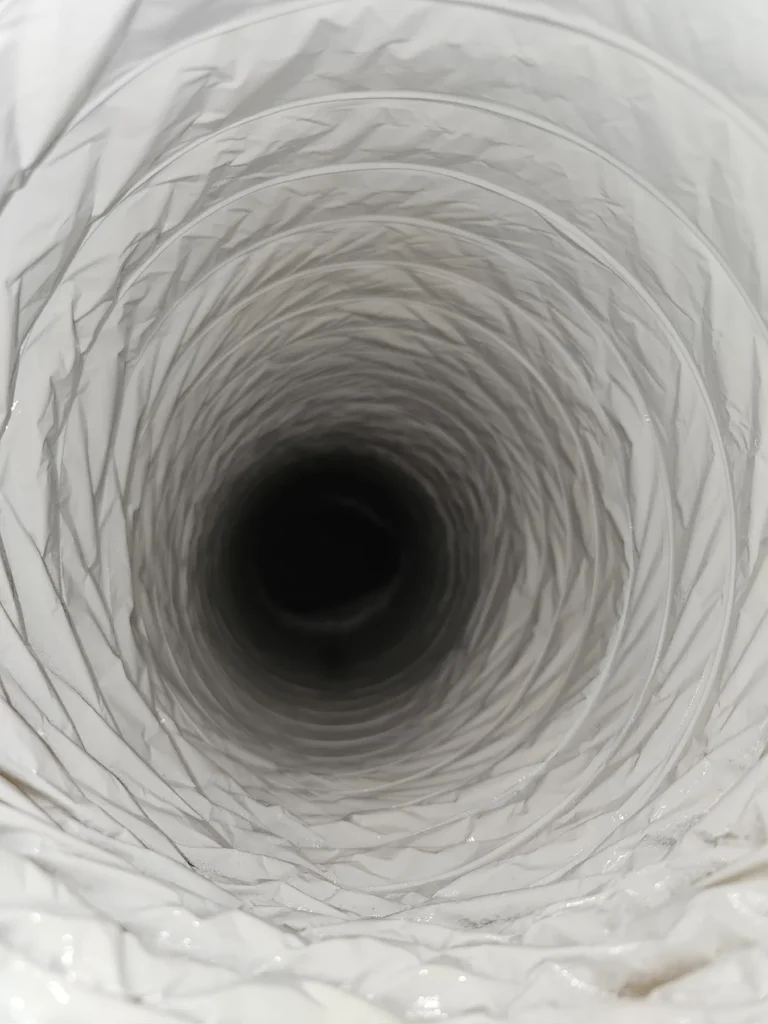
If supply ducts in the attic are sweating, the fix is to seal their joints and restore the insulation around them. Duct insulation starts by sealing joints and seams with mastic or metal tape, then wraps exposed ducts, plenums, and fittings with insulation and a vapor barrier, replacing torn, wet, or missing insulation along the way.
Drains and Coils Need Maintenance
A clogged condensate line or a dirty drain pan can hold standing water near the coil all summer. AC evaporator coil cleaning covers the coil surfaces, the condensate pan, and a check of the drain so water can flow out. A seasonal HVAC tune-up before summer also checks the condensate drain as part of the cooling check.
Indoor Humidity Needs Watching
The EPA’s guide to mold and moisture recommends keeping indoor humidity below 60 percent, ideally between 30 and 50 percent. An inexpensive humidity meter can tell you whether your home stays in that range during summer. If it does not, that is worth raising with an HVAC technician.
Musty Smell or Ceiling Stains After Summer?
A musty smell or a ceiling stain can point to several different problems, from a sweating duct to a blocked drain line. An inspection of the accessible ductwork, registers, and air handler area can help show where the moisture came from, and whether the next step is insulation, sealing, drain maintenance, cleaning, or another trade.
If Growth Is Confirmed, Match the Fix to the Material
Once the moisture source is dealt with, what happens next depends on what the affected material is made of.
| Affected Material | Usual Approach | Why |
|---|---|---|
| Sheet-metal ducts and plenums | Cleaning, with treatment only if the condition calls for it | Hard, non-porous surfaces can be cleaned |
| Internal duct insulation or duct board | Replacement of wet or moldy sections | EPA guidance notes porous materials are hard to clean effectively |
| Flex duct with wet or damaged insulation | Repair or replacement of affected runs | Damaged insulation can keep sweating and holding moisture |
| Ceiling drywall or attic insulation | Assessment by the appropriate trade | Building materials outside the HVAC system need their own repair |
When flex duct runs are badly damaged or have held moisture for a long time, replacing them can be more practical than repairing them. Our attic duct system replacement project shows old flex duct removed and replaced with new insulated duct. Air duct installation and replacement is a separate scope from cleaning and is planned around the system and layout.
Cleaning, Sanitizing, and UV Lights Are Not the Same Thing
These terms often get blended together in sales conversations. They do different jobs.
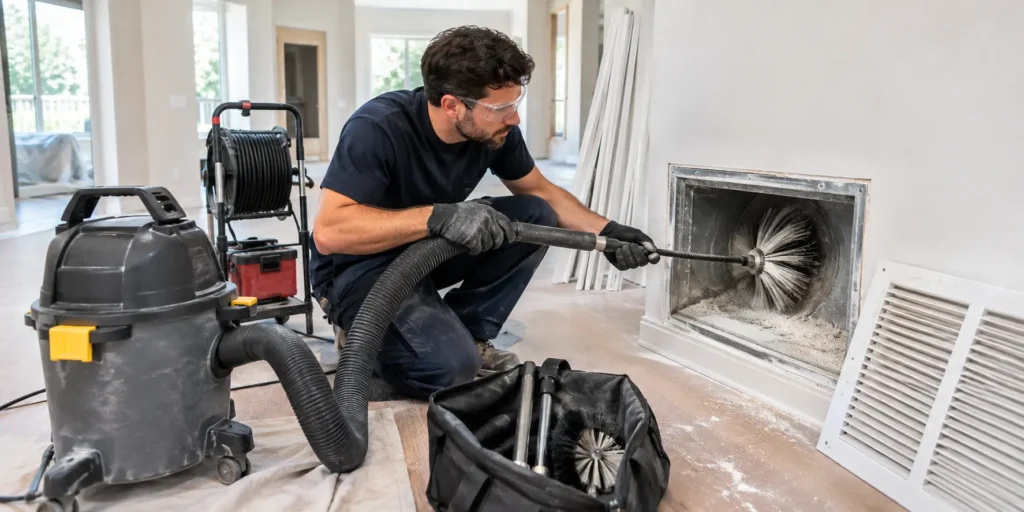
- Cleaning physically removes dust and debris from the ductwork.
- Sanitizing and disinfection are products applied to duct surfaces after cleaning, when the condition calls for it. Treating dirty ducts is not effective, and you should be told which product will be used before work begins.
- A UV lamp mounted near the indoor coil is intended to limit growth on the surfaces it reaches. It does not dry out a wet duct, fix a clogged drain, or remove dust.
None of these permanently prevents regrowth if moisture keeps returning. The EPA advises understanding the purpose and possible effects of any chemical treatment before agreeing to it.
Preventing a Repeat Next Summer
The habits that prevent summer moisture problems are mostly maintenance, not cleaning:
- Schedule the cooling check in spring, including the condensate drain.
- Replace or clean the filter on schedule so the coil stays cleaner.
- Repair torn or missing duct insulation in the attic before summer heat returns.
- Avoid shutting off the AC completely during long summer trips; a raised setpoint usually manages humidity better than no cooling at all.
- Keep supply registers open. Closing many vents can upset airflow across the system.