Start with the system, not just the vent covers
The grilles you see in your rooms are only the accessible ends of a larger air-distribution system. A useful proposal identifies what is being cleaned behind them and which components are outside the job.
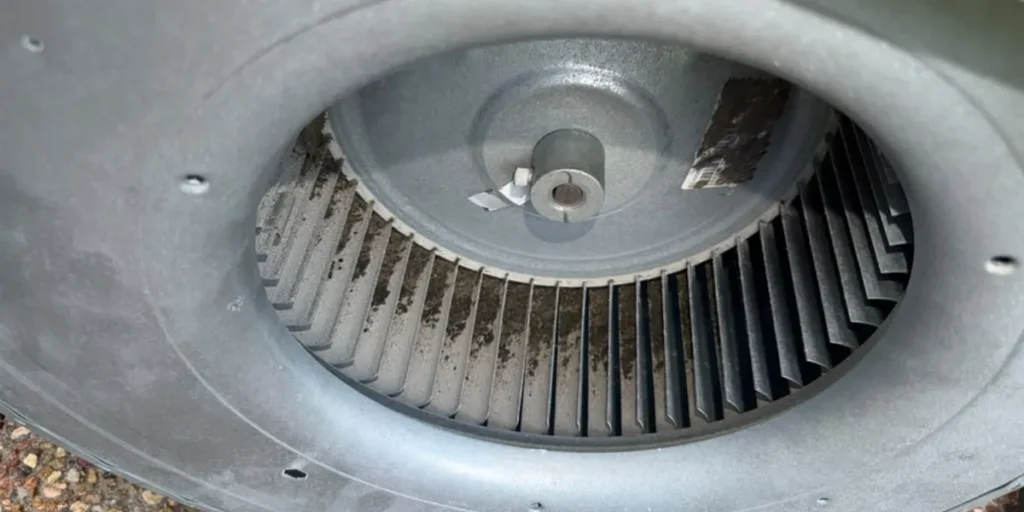
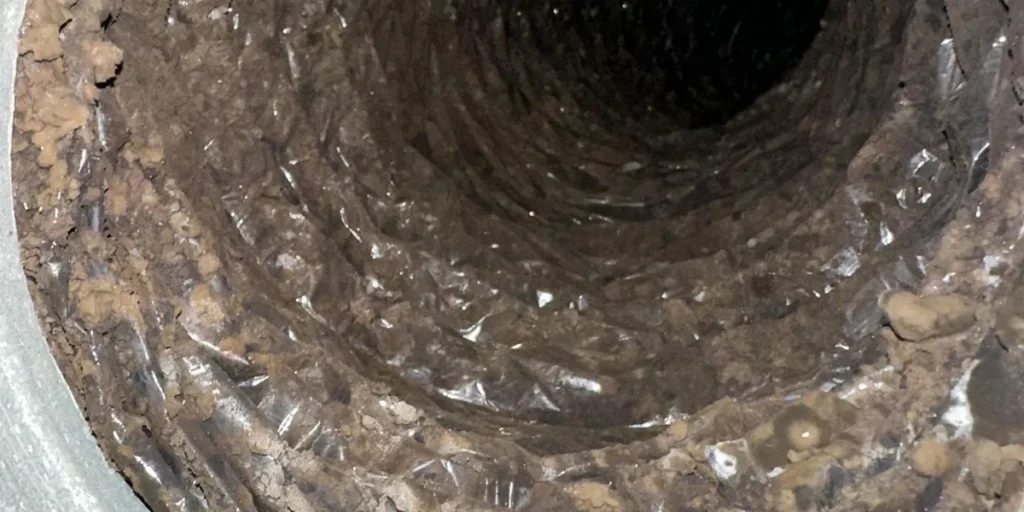
NADCA’s proper cleaning guidance describes two central tasks: loosening contamination and collecting it. Its whole-system approach considers ducts, registers, plenums, coils, the blower and other relevant HVAC components. Cleaning one part while leaving another contaminated can allow material to return to the cleaned area.
Use that guidance to ask specific questions. It does not mean that every provider’s advertised package includes every component.
What the process should explain
1. Inspection and an agreed scope
Before work begins, ask the provider to identify the systems being serviced, the findings behind its recommendation and the components included in the price.
Also ask what cannot be inspected yet. If the final scope depends on access, the estimate should explain how additional findings and costs will be handled. You should know who will approve a change before the crew starts it.
2. Access and protection of the property
Ask where equipment will be placed, which rooms the crew needs to enter and how nearby floors and furnishings will be protected. Point out fragile finishes, access restrictions and areas used by children or pets.
If new access openings are proposed, ask why they are necessary, where they will be made and how they will be closed. Have the provider explain the plan before the work starts.
3. Loosening and collecting debris
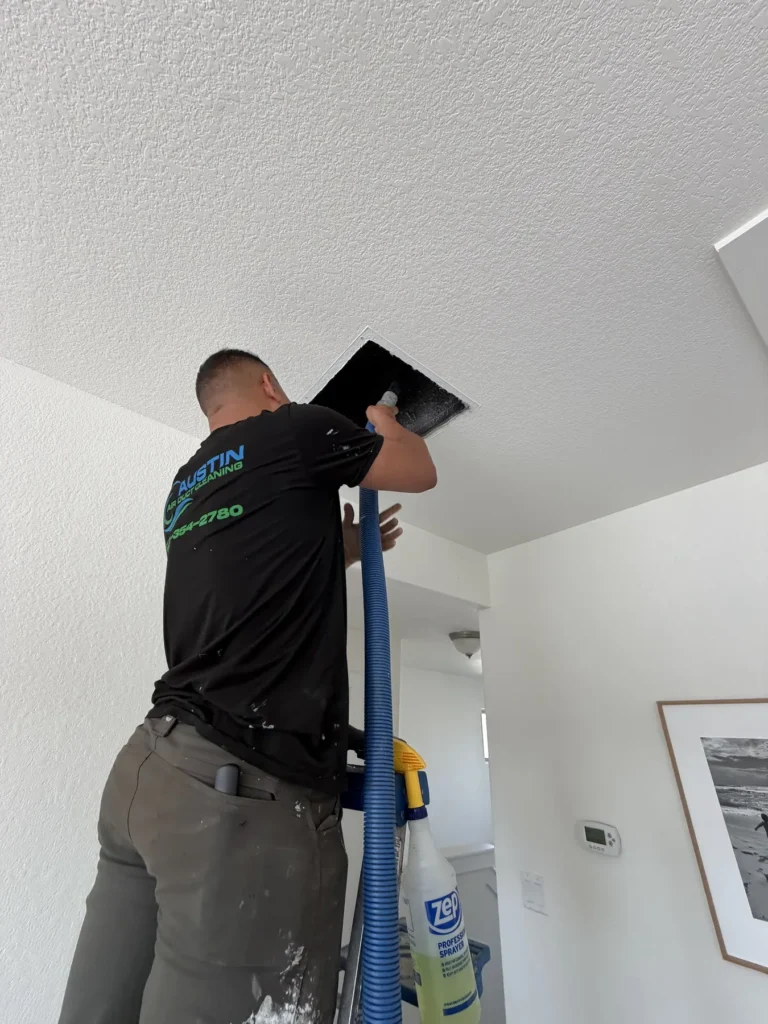
NADCA describes agitation tools used with vacuum collection, with the system under continuous negative pressure during cleaning to help contain loosened material. Equipment and methods should be appropriate for the duct material and its condition.
Ask the technician to explain the process in plain language: how will debris be loosened, where will it be collected and how will the home be protected during the work? The name of a machine alone does not answer those questions.
4. Checking and reviewing the work
Agree in advance how the completed work will be demonstrated. NADCA’s cleanliness verification guidance includes visual inspection, with further methods available when that check is inconclusive.
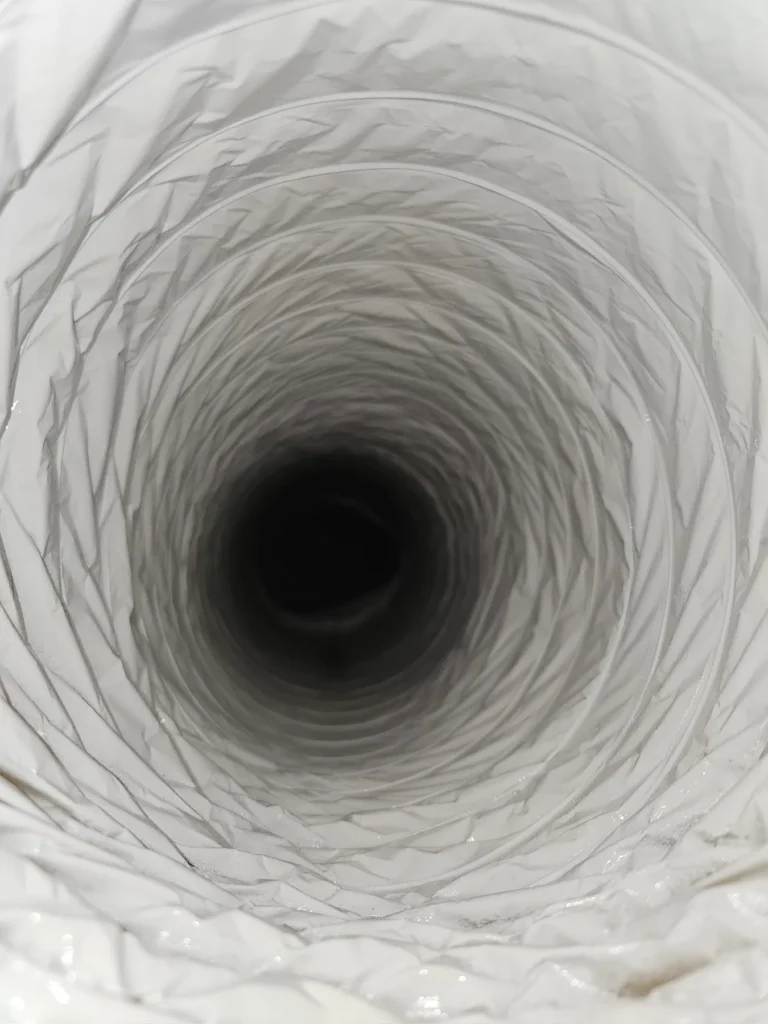
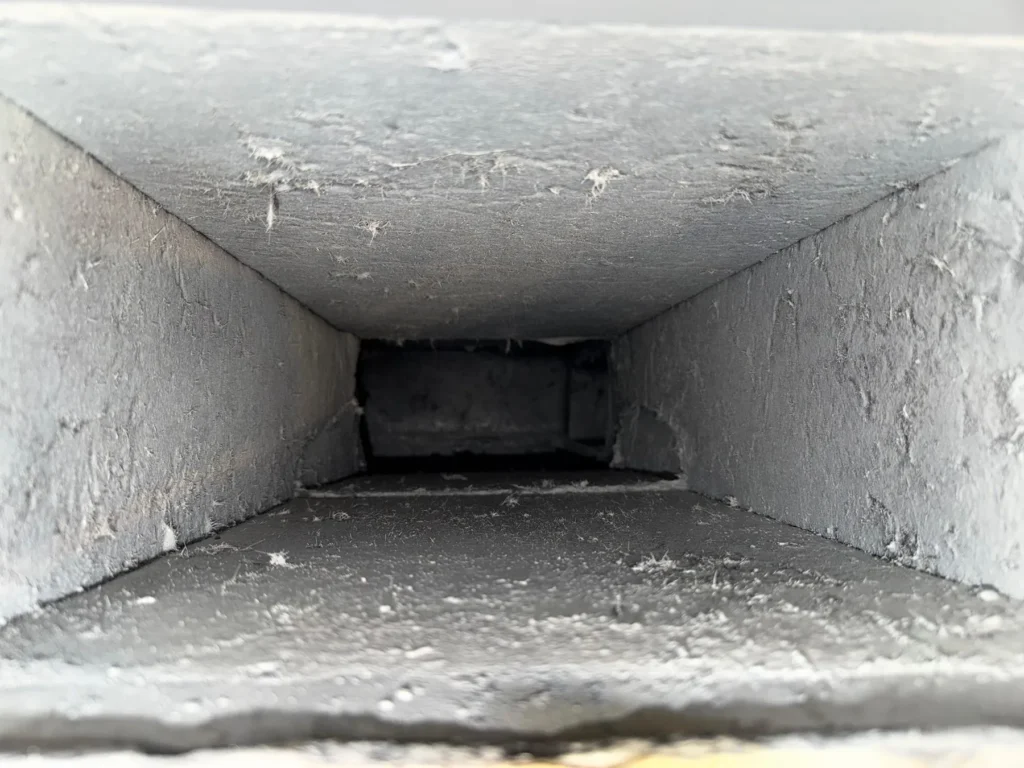
Ask for a walkthrough of accessible areas and, where practical, photographs of the same locations before and after cleaning. Also request a record of any inaccessible sections or issues that still need attention. That makes the handover more useful than a general statement that the system is “done.”
Questions to ask about the components
Before booking, ask the provider to mark each item as included, excluded or subject to inspection:
- Supply and return duct runs.
- Registers and return grilles.
- Supply and return plenums.
- Blower and air-handling components.
- Coils and the condensate drain pan.
- Filter inspection or replacement.
- Closing any access openings created for the work.
This is a comparison checklist, rather than a promise that every item is included in a particular package. Keep the agreed list with your estimate.
What should be quoted separately?
Ask for clarity on dryer vent cleaning, repairs, replacement parts and any proposed chemical treatment. Each should have an explanation and a price if it is outside the original scope.
The EPA’s consumer guide advises understanding the purpose and possible drawbacks of biocides or sealants before agreeing to their use. If a treatment is suggested, ask what problem it addresses and whether it is suitable for the system’s materials.
For the budget questions, see how much air duct cleaning costs in Austin.
What changes for a commercial job?
The building’s use becomes part of the plan. Ask who will arrange access, which systems serve the work area, whether cleaning needs to be phased and what completion records the facilities team expects.
NADCA’s commercial checklist covers advance assessment and project planning. A business should agree on those details alongside the cleaning scope. Explore our commercial air duct cleaning service when preparing a property-specific inquiry.