Every winter, Austin homeowners start asking the same question as the first cold fronts roll through: should the air ducts be cleaned before cedar season hits? The honest answer is that your HVAC system can help keep cedar pollen down indoors, but mostly through filtration, airtight ductwork, and a few habits, not through duct cleaning alone. This guide explains how cedar pollen gets into an Austin home in winter, what the heating system can and cannot do about it, and how to prepare the system before the season peaks.
Key Takeaways
- Ashe juniper, the tree behind cedar fever, typically starts releasing pollen in mid-December, with a peak around mid-January, according to Texas A&M Forest Service.
- Pollen mostly arrives on people, pets, and open doors. The filter is what removes it once it is in the air the system moves.
- Leaky return ducts in the attic can pull unfiltered air into the system, so sealing them often matters more than cleaning them.
- The best time to check the filter, the return side, and the furnace is before cedar season starts, while the weather is still mild.
Why Winter Pollen Behaves Differently in an Austin Home
Most of the year, Austin allergy talk centers on spring oak and grass pollen, when windows are open, and the AC is running hard. Cedar season is different. It arrives when the heating system is doing the work, homes are closed up more often, and windy cold fronts can carry pollen a long way from the Hill Country.
According to Texas A&M Forest Service, Ashe juniper trees typically begin producing pollen in mid-December, often triggered by cold weather or a passing cold front, peak in mid-January and taper off toward early March. Timing varies from year to year, so treat those dates as a guide rather than a schedule.
That timing creates a practical window. If you want to look at the filter, the furnace or the return ductwork, late fall is easier than mid-January, when pollen is already in the air and many households are running the heat daily.
How Cedar Pollen Actually Gets Inside
Most cedar pollen enters through ordinary daily life, not through the air ducts. Doors opening and closing, clothing, hair, pets and open windows bring it in. Once it is inside, some settles on surfaces and some stays in the air, where the HVAC system can move it past the filter.
The duct system becomes part of the story in two ways. First, the return side pulls air from your rooms toward the filter, which is helpful when the filter fits and is working. Second, if return ducts or the return plenum leak in the attic, the system can draw in attic air that has not passed through the house first. That is where sealing becomes relevant.
| How Pollen Gets In | What Helps Most | Where HVAC Fits |
|---|---|---|
| Doors, clothes, hair and pets | Source control: shoes off, washing clothes, grooming pets | The filter catches airborne particles the system circulates |
| Open windows on windy days | Keeping windows closed during high-pollen days | Running the system lets the filter work on indoor air |
| Leaky return ducts in the attic | Repairing and sealing the return side | Reduces unfiltered air drawn into the system |
| A filter that does not fit its slot | The correct size, seated without gaps | Stops air from bypassing the filter |
The Filter Is Doing the Heavy Lifting
During cedar season, the HVAC filter is the most practical tool your system has. Every time the blower runs, return air passes through it. A filter that fits its slot without gaps, is as efficient as your equipment can handle, and is changed on schedule does far more day to day than any one-time cleaning.
Two cautions apply. A higher-efficiency filter can restrict airflow on some systems, so it is worth confirming what your equipment can handle before upgrading. And a filter rated well on the box does little if air can slip around its edges. Our air filter replacement and upgrade service checks both the filter and the slot it sits in.
Check the filter more often during peak weeks. It may load faster than in a mild month, especially after windy days or in a home with pets. The EPA’s guide to air cleaners and filters in the home explains how filter efficiency ratings work and why fit matters.
Leaky Returns Can Undo a Good Filter
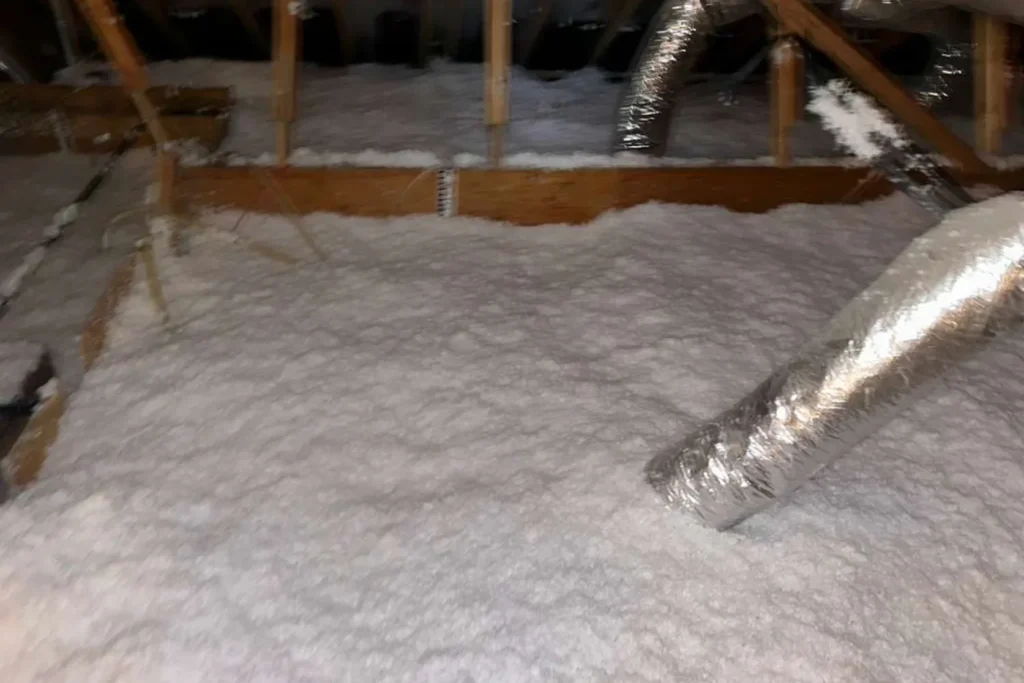
Many Austin homes have the air handler and much of the ductwork in the attic. If the return duct or the return plenum has gaps, torn flex duct, or failing tape, the system can pull air from the attic into the airstream. Depending on where the leak is, some of that air may not pass through the filter at all.
Duct cleaning does not fix that. Air duct repair and sealing reconnect loose runs and seal joints with mastic or metal-backed tape. ENERGY STAR estimates that a typical duct system loses about 20 to 30 percent of the air it moves to leaks, holes, and poor connections, so the return side is worth a look whether or not anyone in the house has allergies.
Is Duct Cleaning Worth Doing Before Cedar Season?
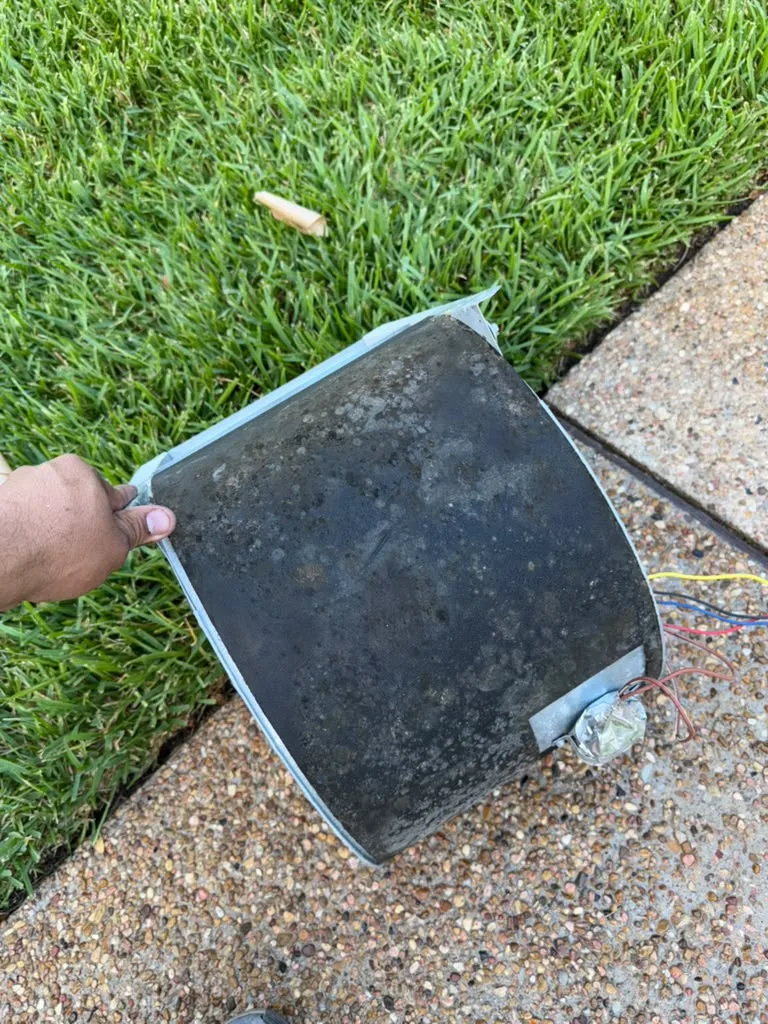
Only if there is something in the ducts to remove. The EPA does not recommend routine duct cleaning and notes it has not been shown to prevent health problems. It suggests considering cleaning when there is substantial visible mold, a pest problem, or excessive dust and debris being released into the home.
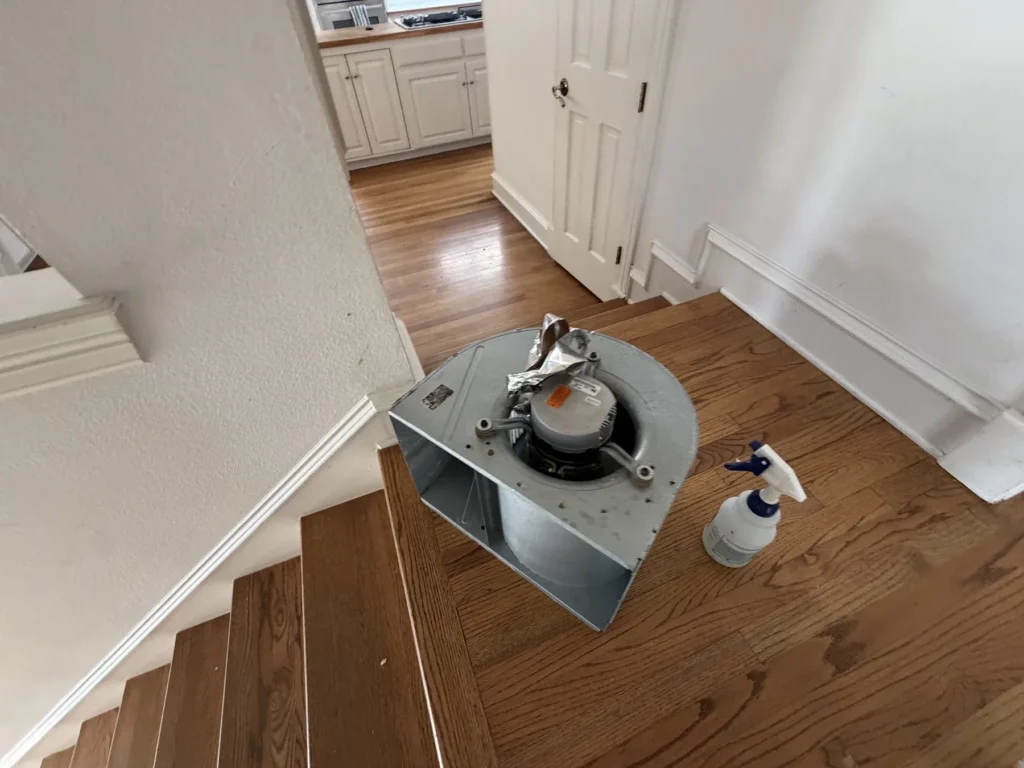
If you see debris inside the registers, dust puffing out when the heat starts, or the home has had recent remodeling, an air duct inspection is the sensible first step. It tells you whether cleaning, sealing, repair, or simply a better filter fits.
When cleaning is the right call, it helps to know what you are paying for. Basic air duct cleaning covers vacuum cleaning of the individual ducts and returns. Rotary-brush cleaning is a separate, separately quoted scope, and components such as the plenum, blower, and furnace are not part of every quote, so ask which are included.
Not Sure Whether Your System Is Ready for Cedar Season?
A loaded filter, a leaky return in the attic, and a furnace that has not been checked in a while are all easier to deal with in November than in January. Tell us what you have noticed, and we will help you decide whether the next step is a filter change, an inspection, sealing, or nothing at all.
A Pre-Season Checklist for Your Heating System
Cedar season overlaps with the months your furnace or heat pump works hardest. A short checklist before the first big cold front covers both.
- Replace or clean the filter and confirm it fits the slot without gaps.
- Clear the returns. Furniture, rugs, or storage blocking return grilles reduce how much air reaches the filter.
- Book the heating check. ENERGY STAR recommends a pre-season heating check in fall. Our HVAC tune-up covers the burner area, blower, filter, and system operation before winter.
- Look at the return side in the attic if you can reach it safely. Visible gaps, disconnected flex duct, or dust streaks on insulation near the return are worth mentioning.
- Plan the fireplace. If you will use a wood-burning fireplace during cedar season, have the chimney swept and inspected first. That is a separate system from the air ducts.
A brief burning smell the first time the furnace runs each season is often dust on the heat exchanger or burners. If it persists or smells like gas, stop using the system and call a qualified technician or your gas utility.
| When | Focus | Why |
|---|---|---|
| November to early December | Filter, returns, heating check, any inspection or sealing | Work is easier before pollen peaks and heating demand rises |
| Mid-December to January | Check the filter more often; keep windows closed on high-pollen days | Pollen production typically peaks in mid-January |
| February to early March | Replace the season’s filter; wipe register covers | Pollen tapers off and spring pollen season follows |
What Not to Spend Money On
Be wary of anyone who promises that a cleaning will cure cedar fever or eliminate all allergens. The EPA says such sweeping health claims for duct cleaning are unsubstantiated. The same goes for ozone-generating “air purifiers,” which the EPA advises against.
UV lamps are sometimes suggested in allergy conversations too. A UV lamp near the indoor coil is intended to limit microbial growth on the surfaces it reaches; it does not remove pollen, dust or dander. Our article on filters, ducts and what actually helps indoor air covers those options in more detail, and our broader guide to Austin allergy season and your air ducts covers the spring side of the calendar.
Homes Closest to the Cedar
Western Travis County and the Hill Country are covered in Ashe juniper, and homes there can see heavy pollen on windy winter days. If you live in a community like Bee Cave or further west, the same principles apply: keep the filter fresh, keep the return side sealed, and keep pollen from being carried in where you can.
If anyone in the household has persistent or severe symptoms, talk with a healthcare professional. Home improvements can reduce exposure, but they are not medical treatment.