Why fall is the time
Austin winters are mild, so many fireplaces sit unused for months. In that time nests, leaves and debris can collect in the flue. Booking the sweep before the first cold snap means it is done before you need the fireplace, and before schedules fill up. The U.S. Fire Administration recommends having chimneys cleaned and inspected each year by a professional.
Your fall checklist
1. Book the inspection and sweep
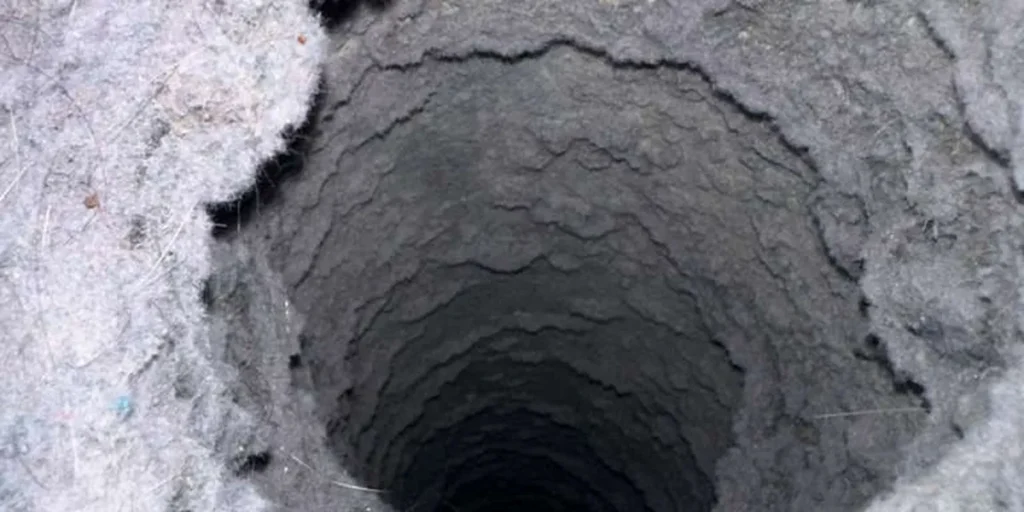
A sweep removes soot and creosote; the inspection checks the flue, damper and cap. See our chimney sweep and chimney inspection services.
2. Prepare your firewood
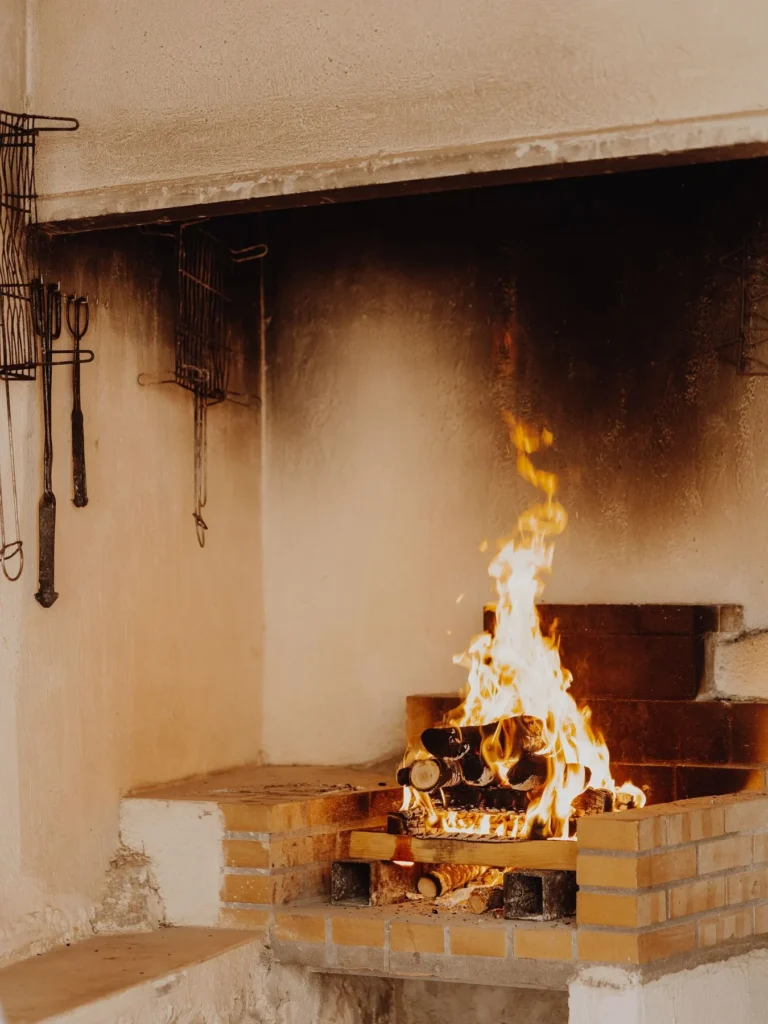
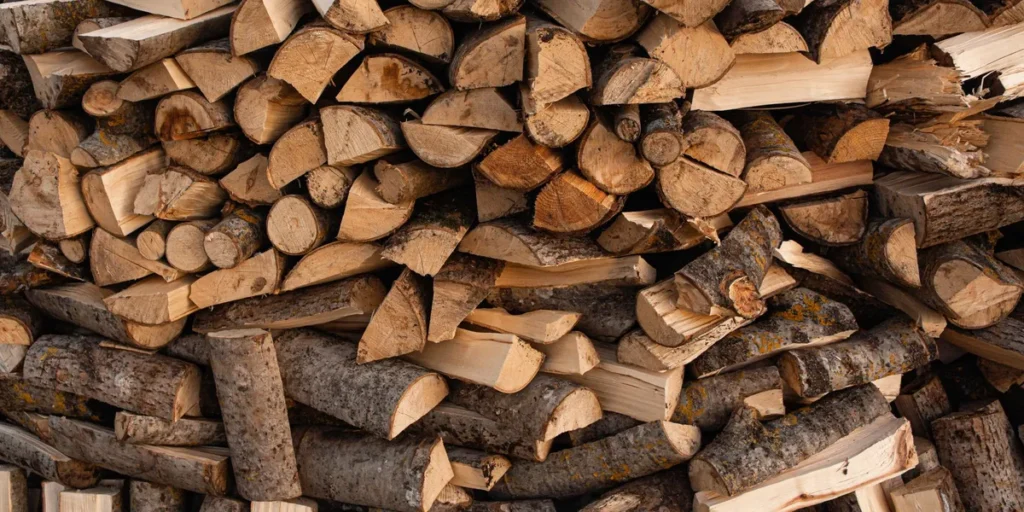
Wet wood smokes more and leaves more creosote. EPA’s Burn Wise program recommends burning dry, seasoned wood. Store it off the ground, covered on top and open at the sides so air can move through it.
3. Check the damper and cap
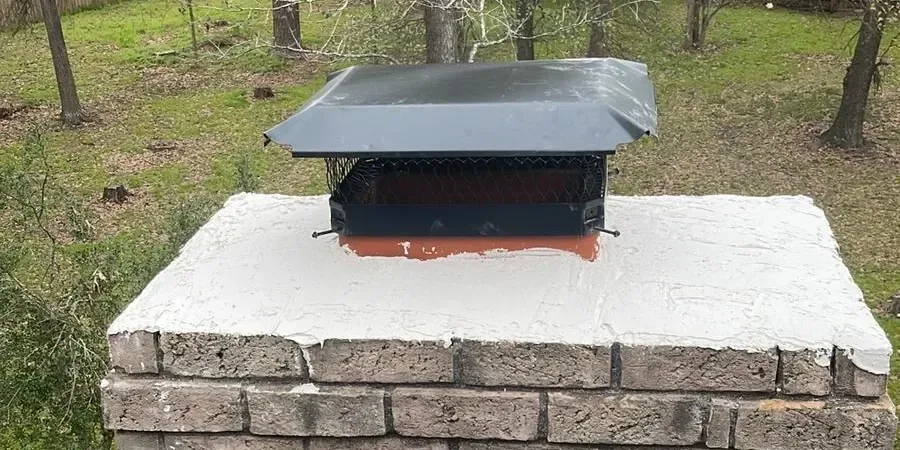
Make sure the damper opens fully and closes properly. From the ground, check that the chimney cap is still in place; a missing cap lets in rain and animals. See chimney cap installation and replacement.
4. Test smoke and CO alarms
Test smoke alarms and carbon monoxide alarms before the heating season, and replace batteries as needed.
5. Clear the hearth
Keep rugs, furniture and decorations a safe distance from the fireplace opening, and use a screen.
During the season
Watch for smoke entering the room, a strong smoky smell when the fireplace is not in use or flaky black debris in the firebox. Stop using the fireplace and have it checked if you notice any of these. For year-round care, read why regular chimney maintenance is key.