Why chimneys need regular care
Austin winters are mild, but many homes still use their fireplaces on cold evenings. Each fire leaves residue in the flue. Even a fireplace that is used only a few times a year can collect debris, nests or damage between seasons.
The U.S. Fire Administration recommends having heating equipment and chimneys cleaned and inspected each year by a professional. The EPA similarly recommends that fuel-burning furnaces, stoves and fireplaces be inspected and serviced before each heating season.
Creosote and fire risk
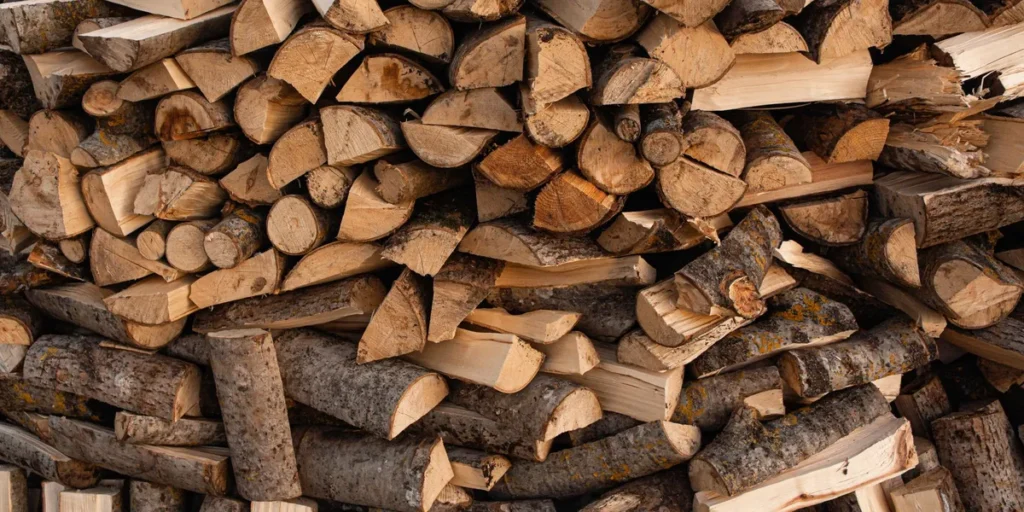
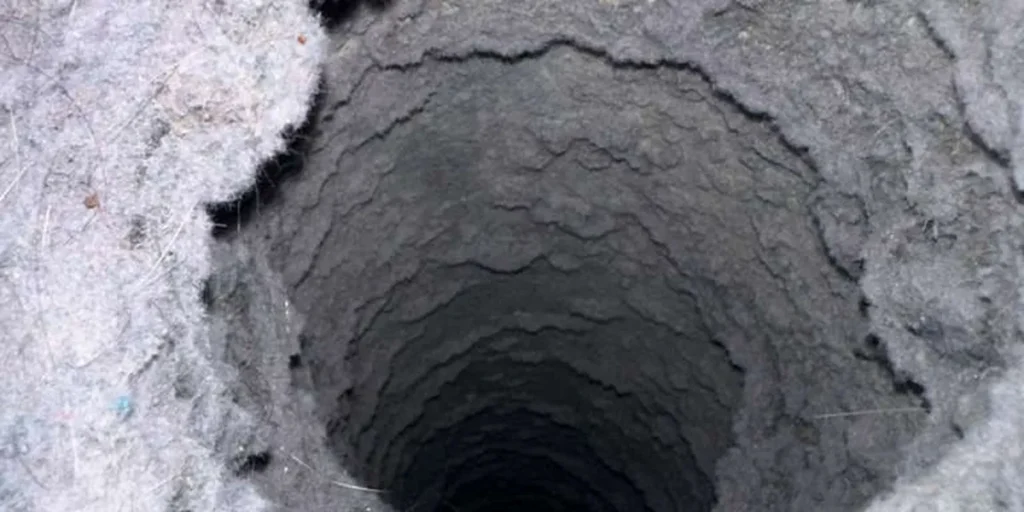
Wood smoke contains compounds that condense on the cooler inner walls of the chimney as creosote. It can be flaky, sticky or glazed, and it is combustible. Heavy buildup increases the risk of a chimney fire. Burning dry, seasoned wood and making sure the fire gets enough air both help reduce how quickly it forms.
Blockages and drafting
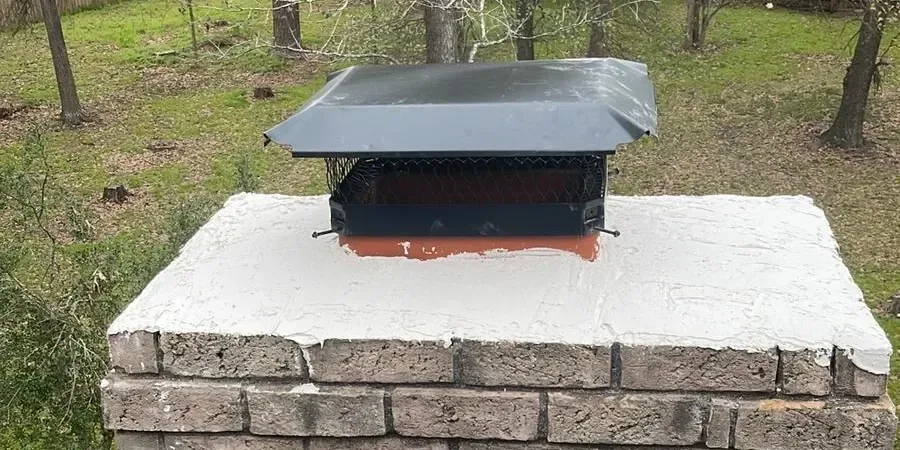
Leaves, nests and debris can block the flue, especially if there is no chimney cap. A blocked or poorly drafting chimney can push smoke back into the room. With fuel-burning appliances, poor venting is also a carbon monoxide concern, so working CO alarms are important.
What a sweep and inspection cover
- Removing soot and creosote from the firebox, smoke chamber and flue.
- Checking the damper, the flue and the cap for damage or obstruction.
- Noting cracks, missing mortar or other conditions that need repair.
Ask for findings in writing, with any repairs listed separately from the cleaning. The Chimney Safety Institute of America has more background on chimney care and inspection levels.
Warning signs between visits
- Smoke entering the room, or a fire that is hard to keep going.
- A strong, smoky smell from the fireplace when it is not in use.
- Black, flaky debris falling into the firebox.
- Animal sounds or nesting material in or near the chimney.
If you notice any of these, stop using the fireplace until it has been checked.
When to schedule
Late summer or early fall, before the first cold snap, is the easiest time to book. If you use the fireplace often, ask whether more frequent cleaning is advisable. Learn more about our chimney sweep service.