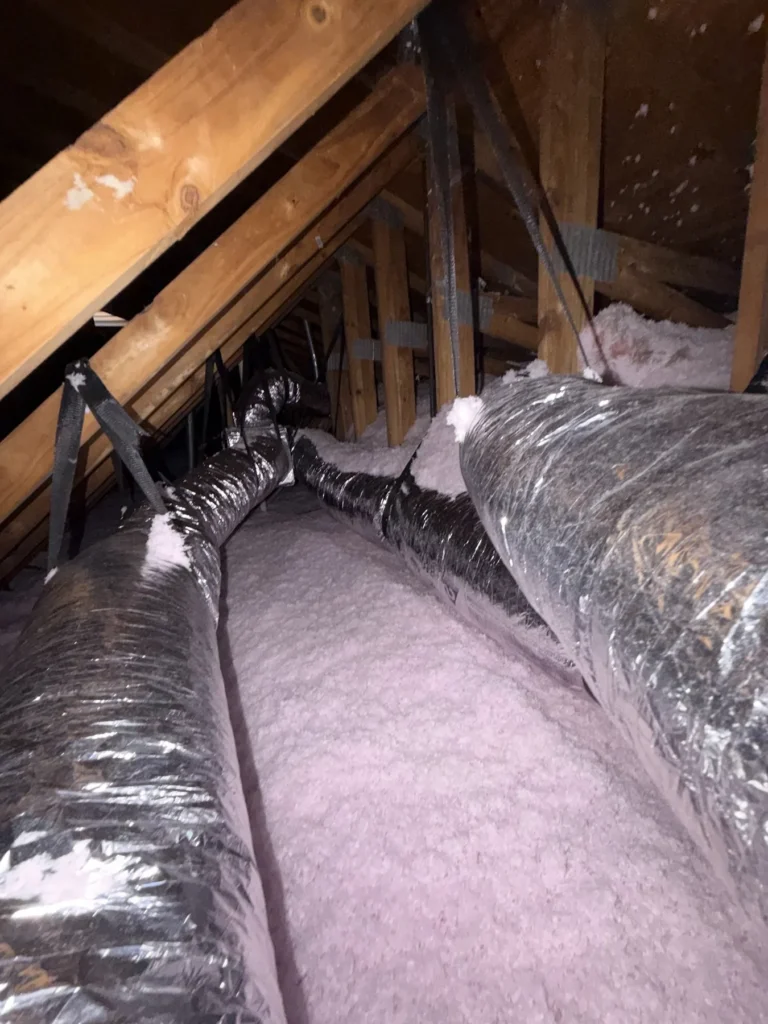
What attic insulation does
An attic in an Austin summer can become much hotter than the rooms below it. Insulation on the attic floor slows the heat moving downward into the house, so the cooling system does not have to work as hard to keep up. In winter it slows heat escaping the other way.
Insulation is rated by R-value: the higher the number, the more it resists heat flow. The right level depends on your climate zone and on what is already installed.
How much insulation Austin needs
ENERGY STAR publishes recommended levels by climate zone. Austin is in zone 2, where it recommends R-49 for an uninsulated attic floor, and R-38 when 3–4 inches of insulation are already in place.
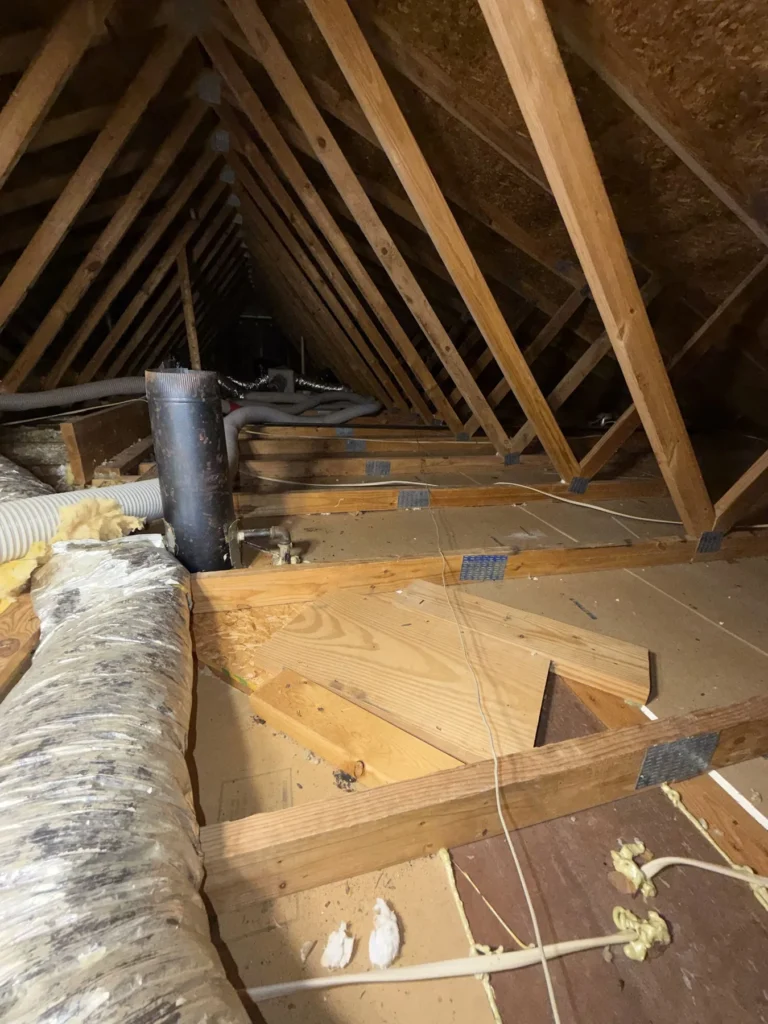
Many older homes fall short because insulation has settled, been disturbed during other work or was installed to an older standard. Measuring the depth in several places is the quickest way to find out.
Benefits you can expect
More even comfort
Rooms under a poorly insulated section of attic tend to run warmer in summer. Bringing the whole attic floor to a consistent level helps even out temperatures.
A lighter cooling load
Less heat entering the living space means less work for the air conditioner. The difference depends on how much insulation you have now and how airtight the ceiling is.
Protection for attic ductwork
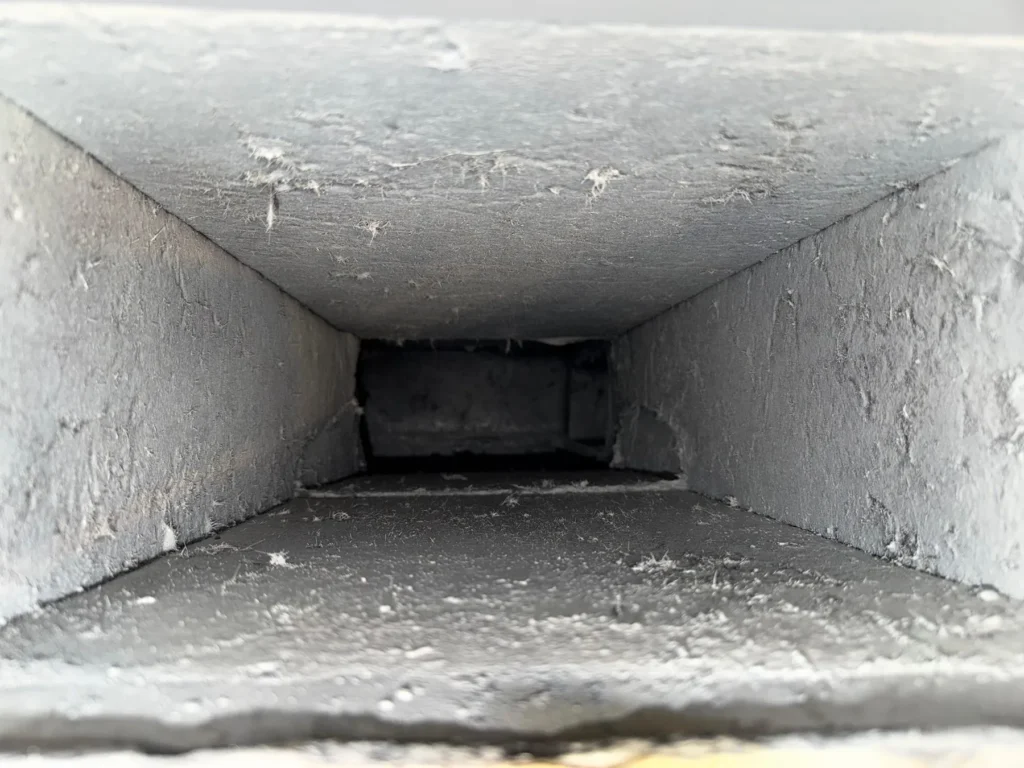
Many Austin homes have ductwork running through the attic. The attic temperature affects that ductwork too, which is one reason to look at insulation, duct condition and duct sealing together. ENERGY STAR notes that leaky ducts can lose 20 to 30 percent of the air they carry.
Types of insulation
- Blown-in (loose-fill) fiberglass or cellulose: fills irregular spaces and works around obstructions; common for topping up an existing attic.
- Batts: pre-cut sections that suit open joist bays with regular spacing.
- Spray foam: expands to fill gaps and also air-seals; used in specific applications.
Which one suits your home depends on the attic layout, the existing insulation and access.
Before adding insulation
Air leaks through the ceiling, such as around light fixtures, the attic hatch and plumbing penetrations, should be sealed before insulation is added. Fix any roof leaks or moisture problems first. Ask the installer to note the R-value being installed and the depth it should reach.
Learn more about our attic insulation services.