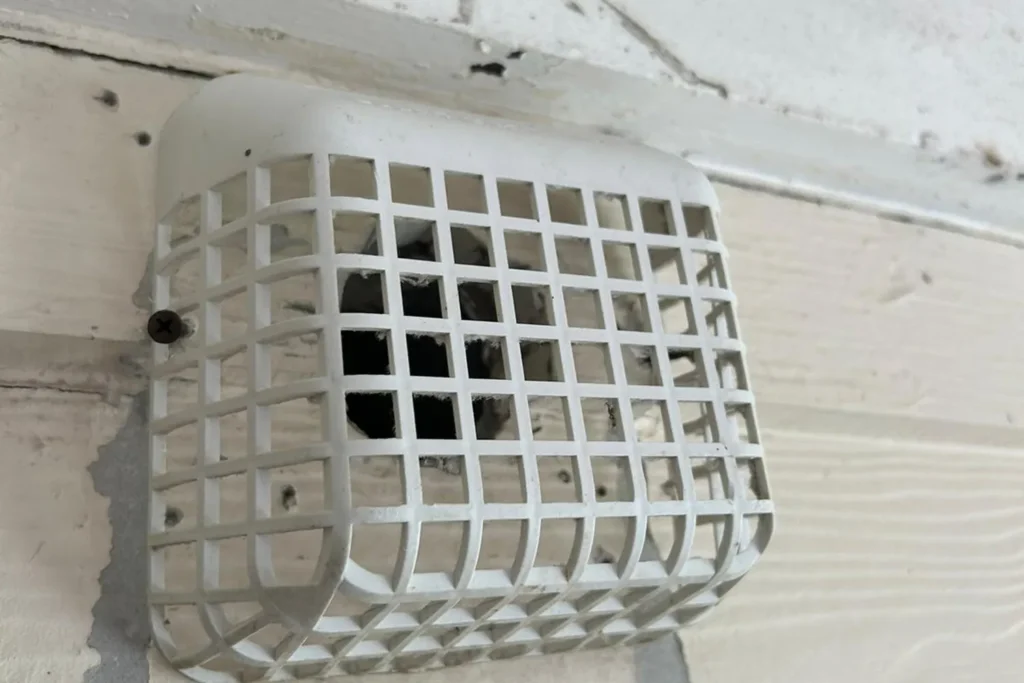
Where the dryer is, where the nearest exterior wall or roof is and what is in between help us plan the route.
The dryer’s manual lists its maximum vent length and number of turns. Have the model ready if you can.
We choose the shortest practical route and the termination point.
Metal duct is installed, joined and supported, with a cover and damper at the outside end.
The dryer is run to confirm airflow and any old openings are sealed.
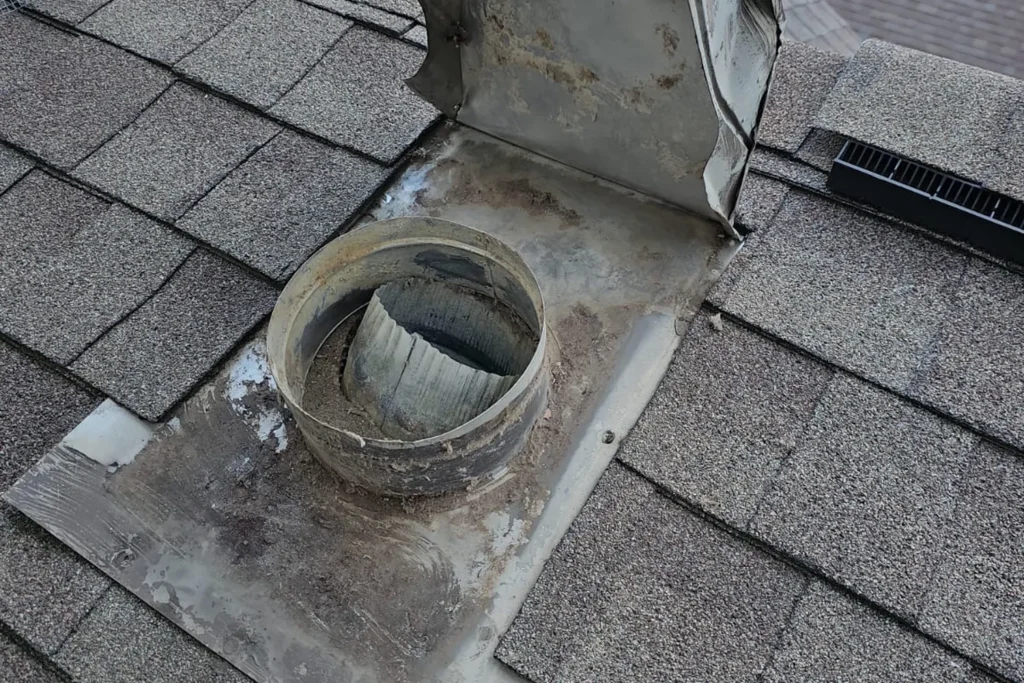
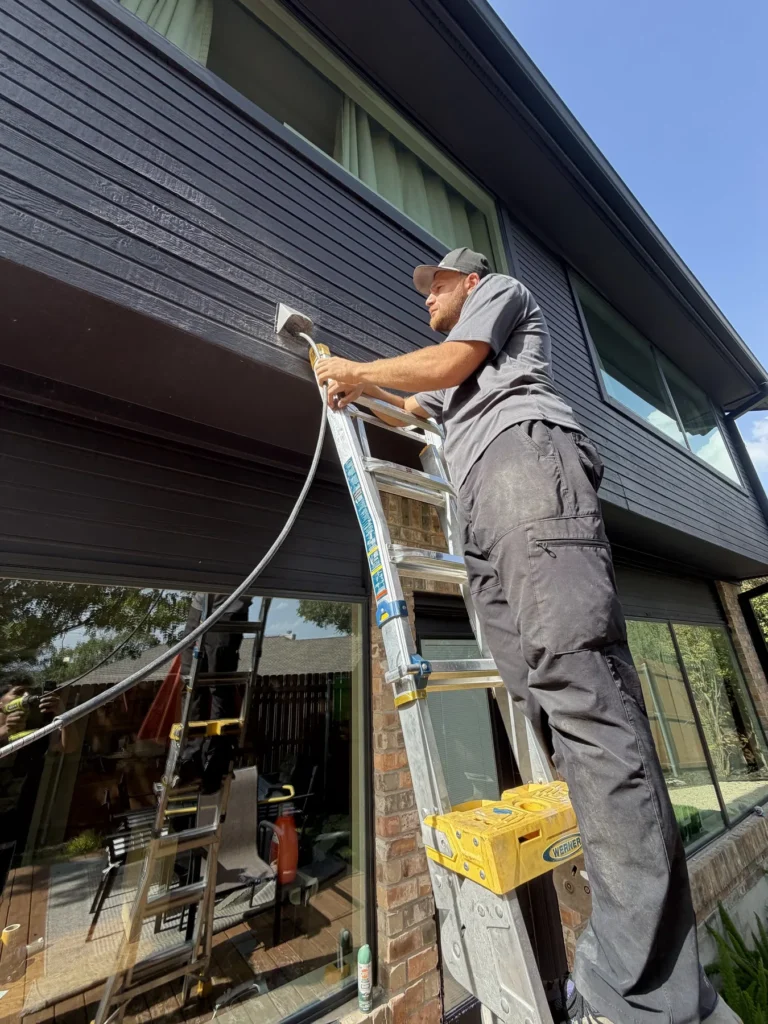
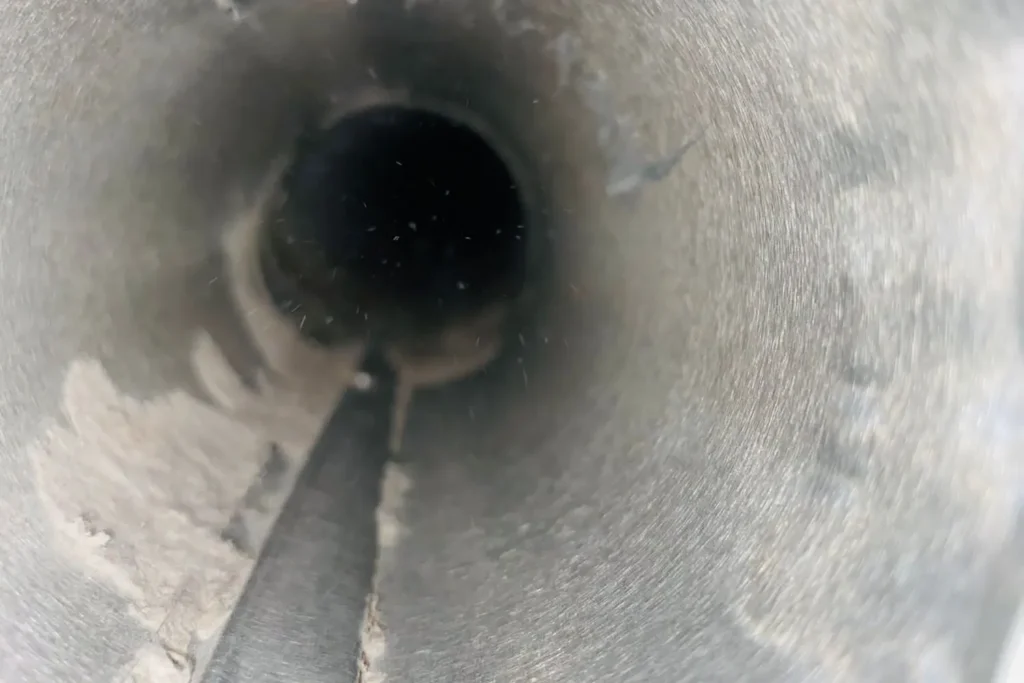
Metal. The CPSC recommends rigid or flexible metal venting rather than plastic or foil.
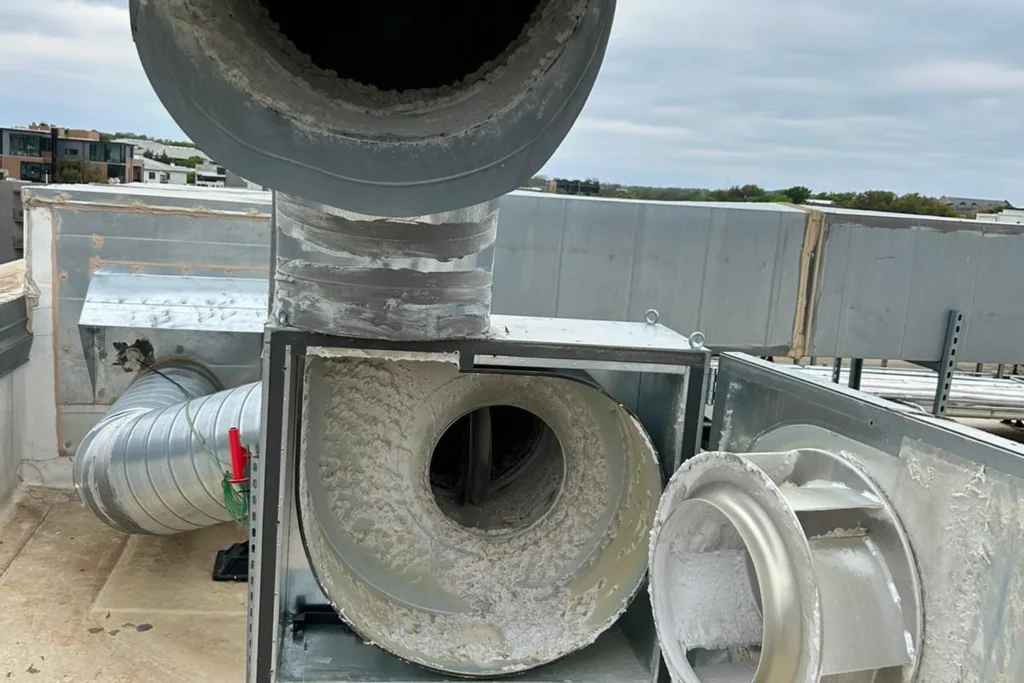
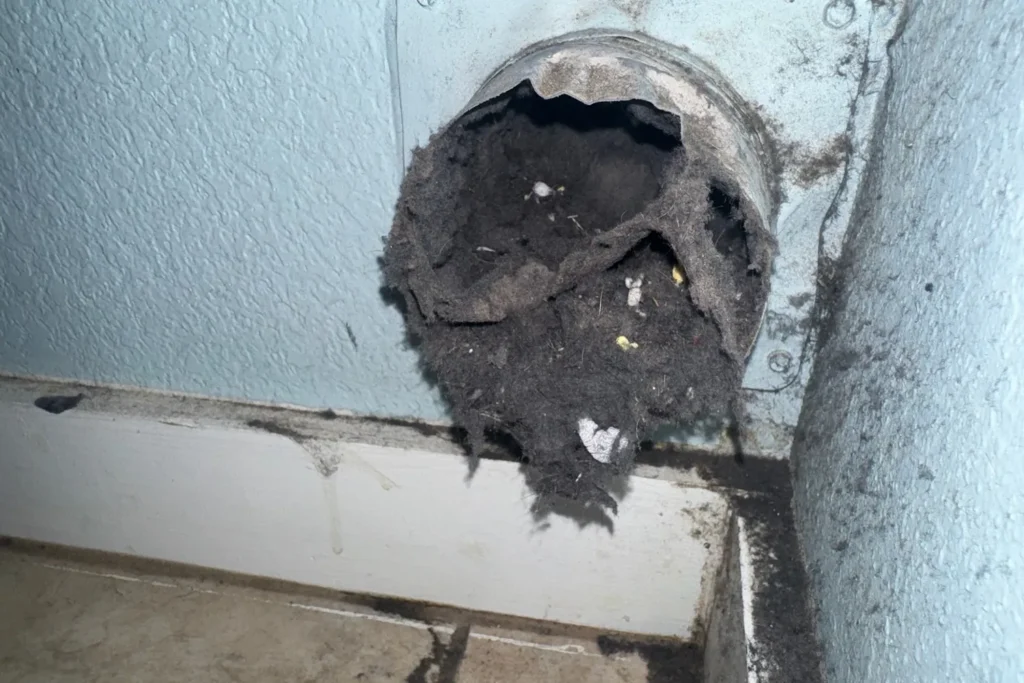
Long runs with many turns collect lint and slow drying. Relocating or shortening the route can help, as can moving the laundry to a new room.
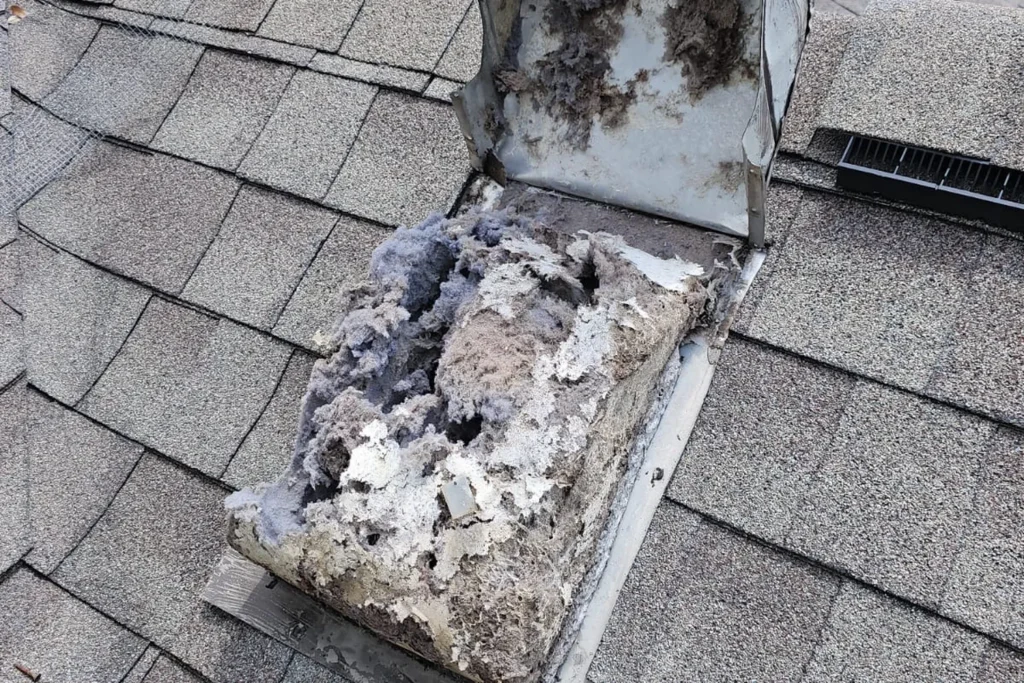
Yes, where a wall termination is not practical. Roof vents need a suitable cover and should be checked regularly.
We install and relocate the vent. Gas and electrical connections for the appliance are handled by the appropriate trade.