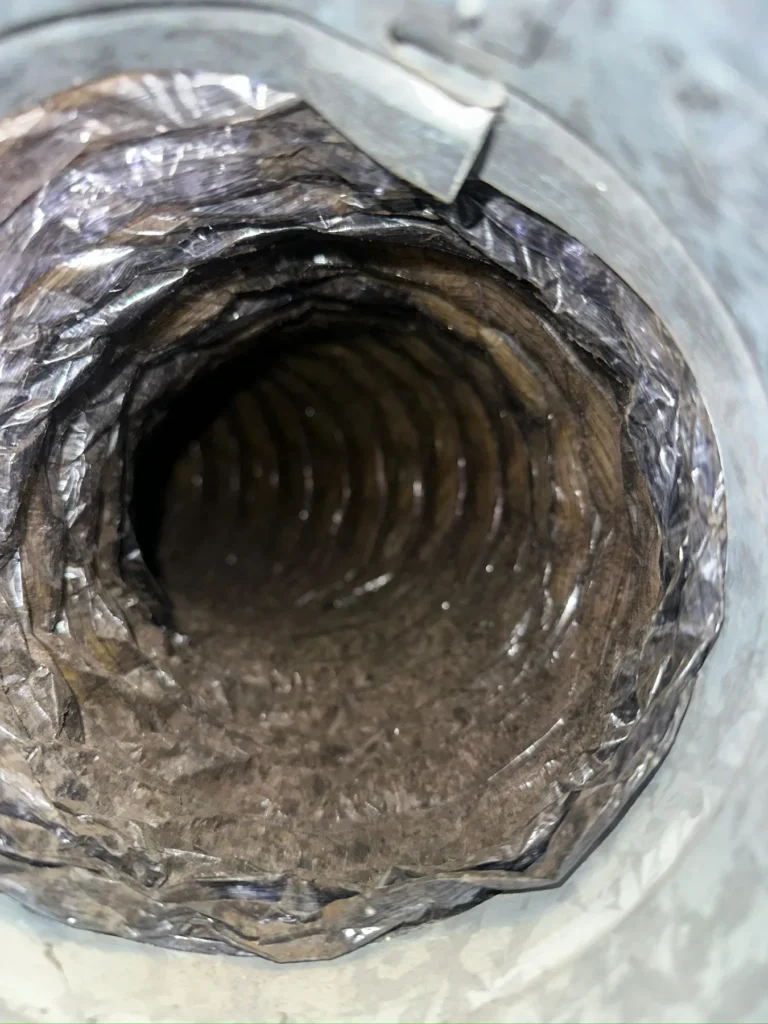
Look for evidence before choosing a service
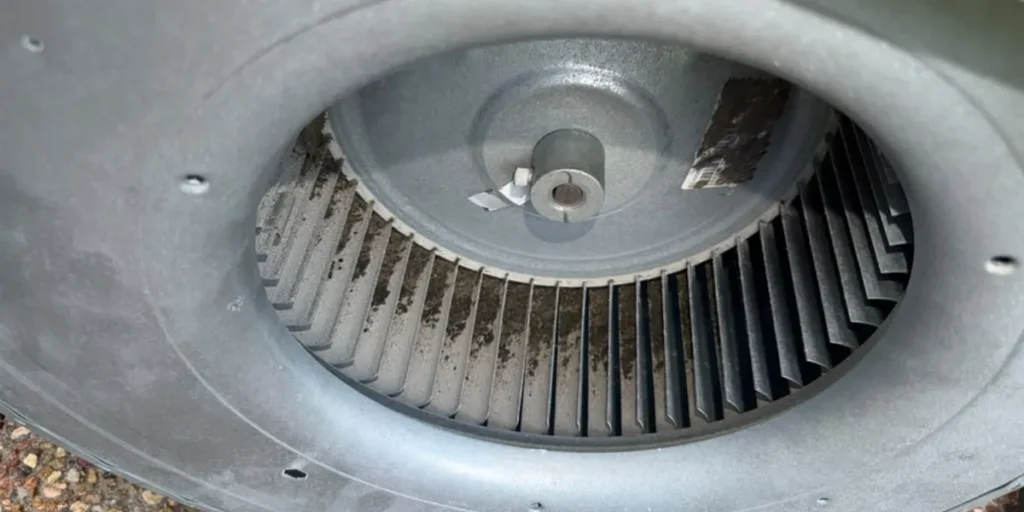
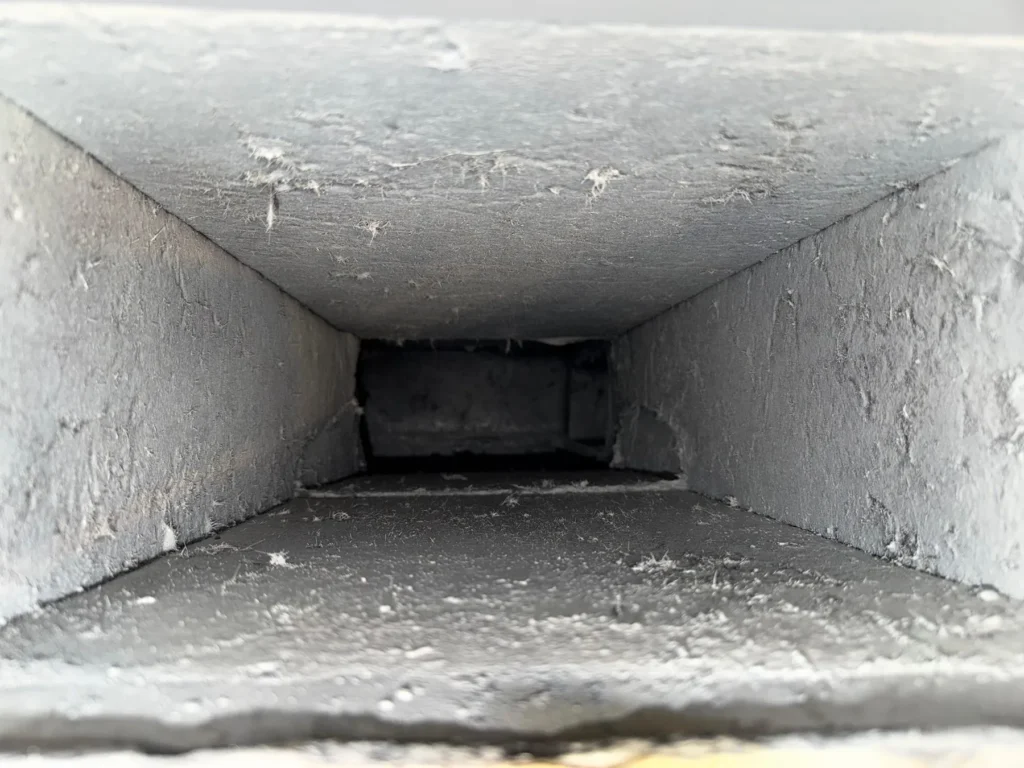
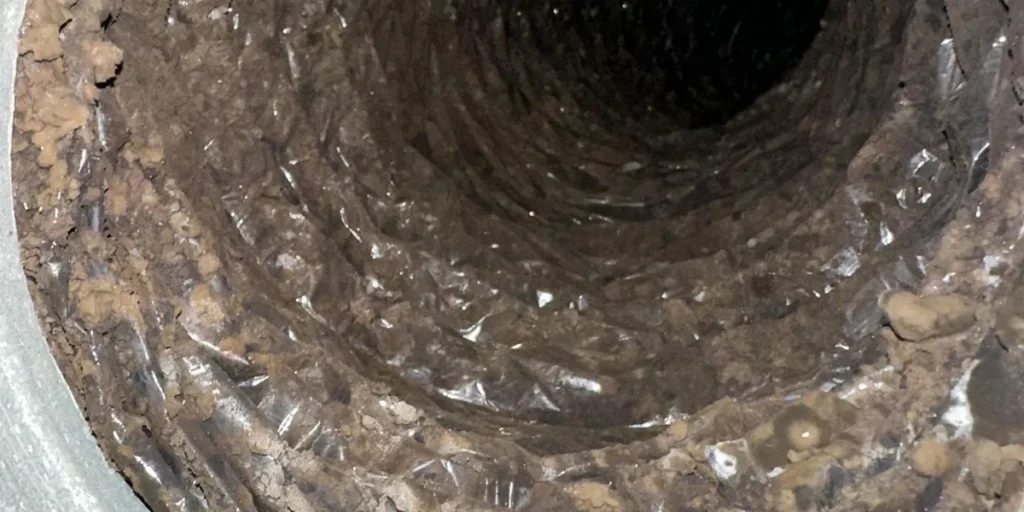
The EPA identifies several situations in which duct cleaning should be considered: substantial visible mold on hard surfaces in the system, vermin infestation, or excessive dust and debris that clog ducts and release particles into the home. It does not recommend cleaning on a universal calendar schedule.
These conditions need different responses. A cleaning quote should explain what was found, where it is located and whether another problem needs attention first.
Debris appears to come from the vents
Record which room is affected and when it happens. Is material coming out when the system starts, or are you noticing dust that has settled on the grille? A short video can help a technician understand the difference.
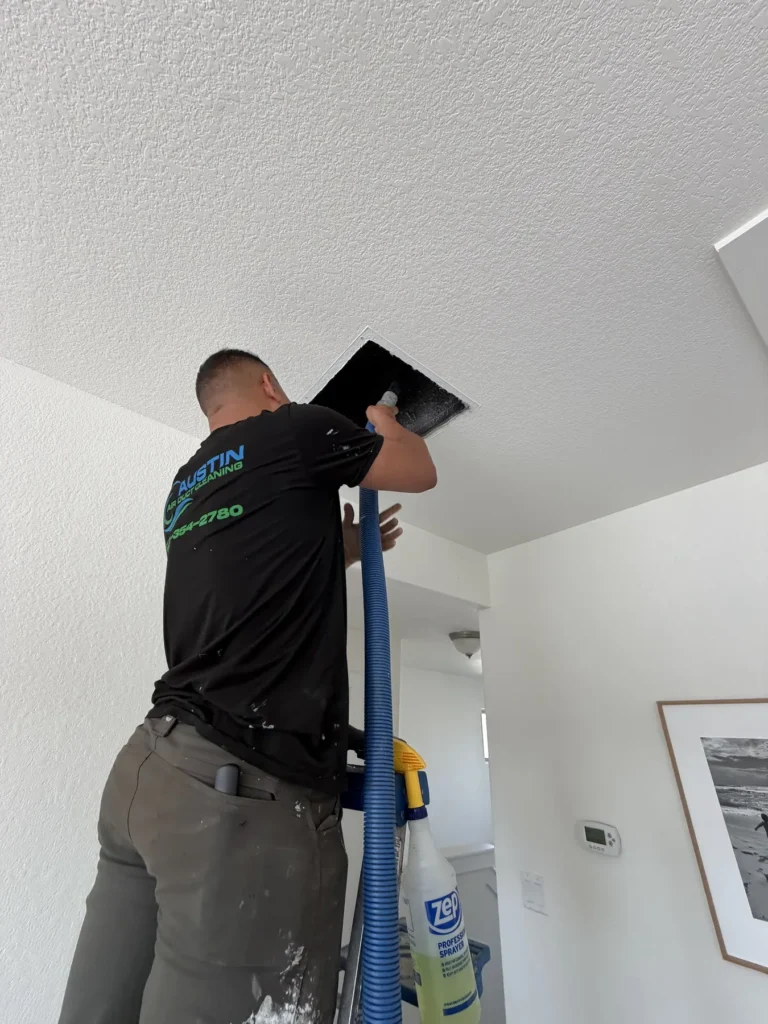
Ask to see the accessible duct interior before deciding on the work. A photograph of a vent cover alone does not show the condition of the rest of the system.
There are signs of pests
Tell the provider about noises, nesting material or other signs you have noticed. Ask whether pest control or repairs are needed before cleaning. Otherwise, the route that allowed the problem to develop may remain open.
Avoid disturbing suspected nesting material yourself. Give the technician the location and any relevant history so the inspection can be planned around it.
There is moisture or suspected mold
Describe visible moisture, staining and any persistent odor. An odor or photograph alone cannot establish that mold is present. Ask how the finding will be assessed and what caused the moisture.
EPA guidance on moisture in HVAC systems explains that wet or moldy internal duct insulation should be replaced. The moisture source also needs correction so the problem does not return.
What if you have just remodeled?
A renovation is a useful reason to check the system, especially if returns or open ductwork were exposed to construction dust. It does not tell you how much material entered the ducts.
NADCA’s guidance on HVAC cleaning projects notes that construction activities can leave debris in HVAC components and recommends verifying cleanliness after installation or renovation.
Tell the inspector which rooms were worked on, whether vents were protected and whether the HVAC ran during dusty work. Ask for findings from the actual system rather than assuming every recently remodeled property needs the same treatment.
Which symptoms can have another cause?
A stuffy bedroom or a dusty shelf is a starting observation, not a diagnosis. Before requesting a particular treatment, write down the problem you want solved.
For an airflow or comfort complaint, ask an HVAC professional to consider the filter, equipment and duct condition together. For recurring dust, explain where it appears and how quickly it returns. This helps keep the inspection focused on the cause instead of treating cleaning as the answer to every symptom.
If your main concern is respiratory symptoms, discuss those with a healthcare professional. The EPA states that duct cleaning has not been shown to prevent health problems; it should not be presented as an allergy treatment.
A simple checklist for the inspection
Prepare four notes before the visit:
- Where: affected rooms, vents or visible areas.
- When: when the issue began and whether it coincided with remodeling, a leak or equipment work.
- What you have observed: photos, sounds or debris, described without guessing the diagnosis.
- What you want answered: whether cleaning is needed, whether repairs come first and which parts of the system are affected.
Ask the provider to separate confirmed findings from areas it could not inspect. Then request a written scope. Our guide to what duct cleaning includes explains the questions to ask next.