Why Austin systems work hard
Long cooling seasons mean many Austin systems run for much of the year. Every hour of operation moves household dust, pollen and pet hair past the filter and through the ductwork. Most of it is caught by the filter or settles harmlessly, but some problems need attention.
The six issues below are the ones homeowners ask about most often. Each has a different cause, so the fix is different too. Cleaning is the right answer for some of them, but not all.
Six common problems
1. Heavy dust and debris
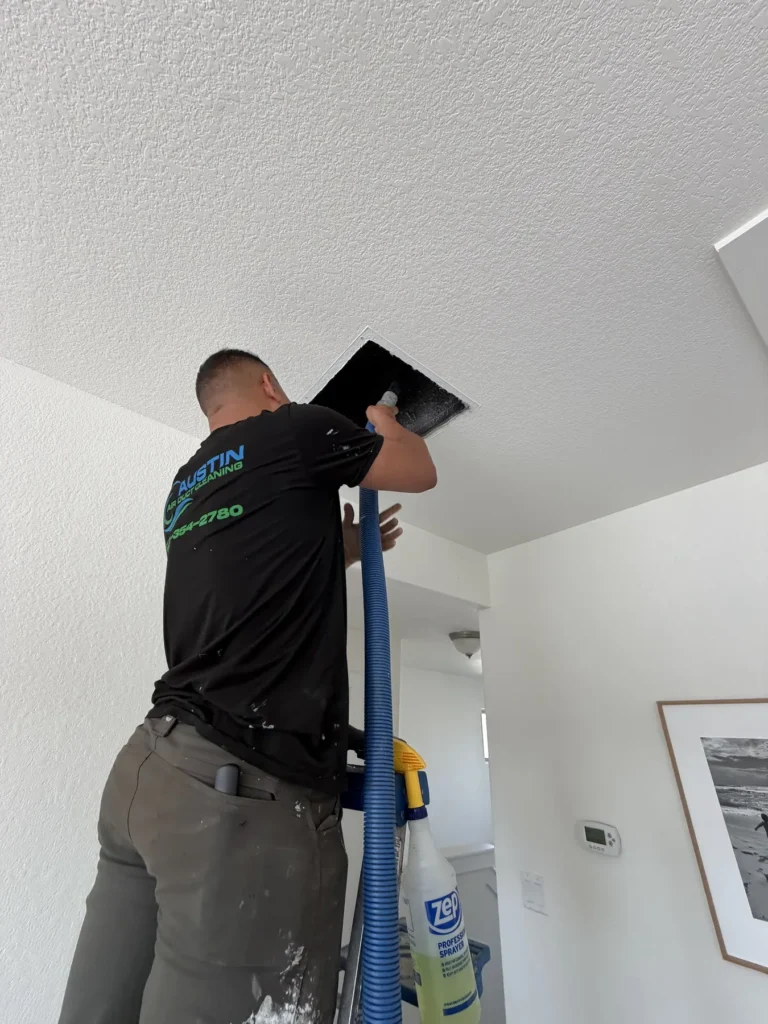
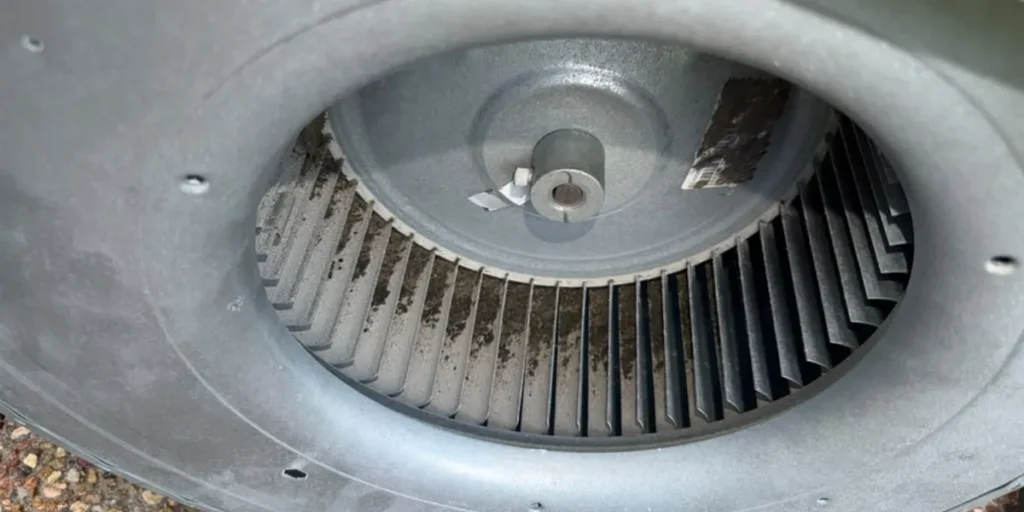
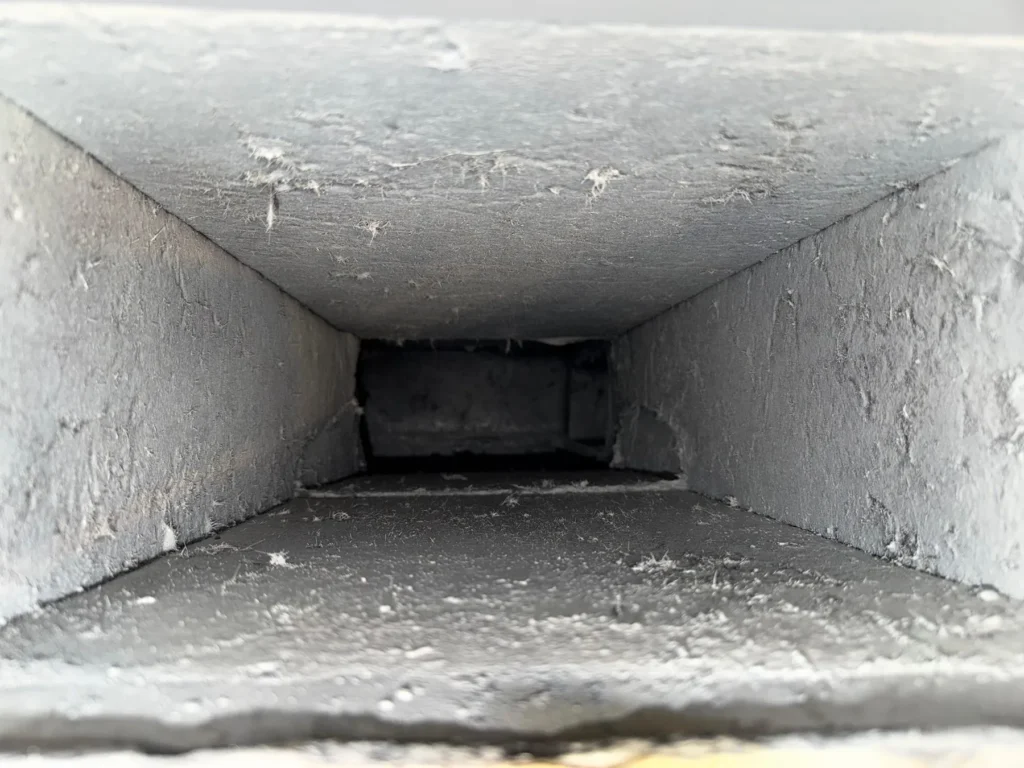
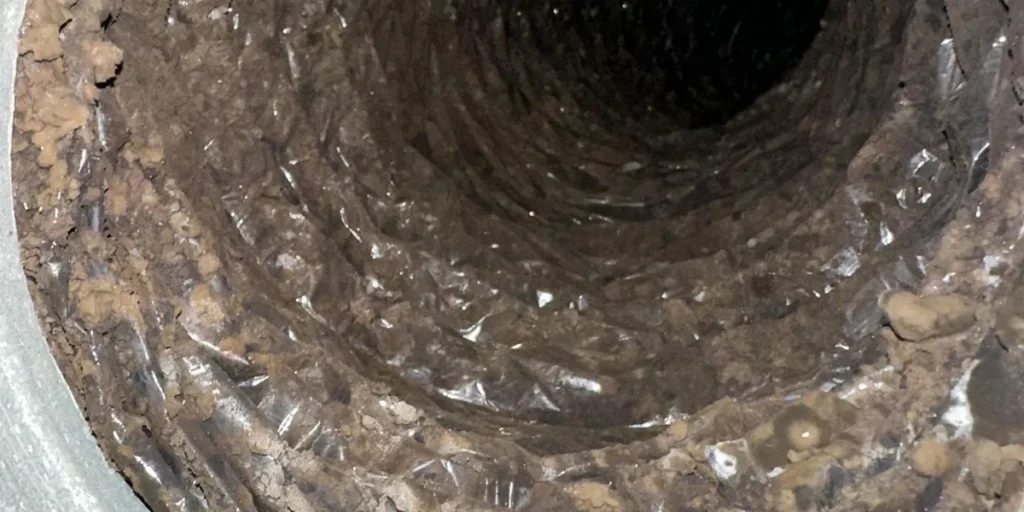
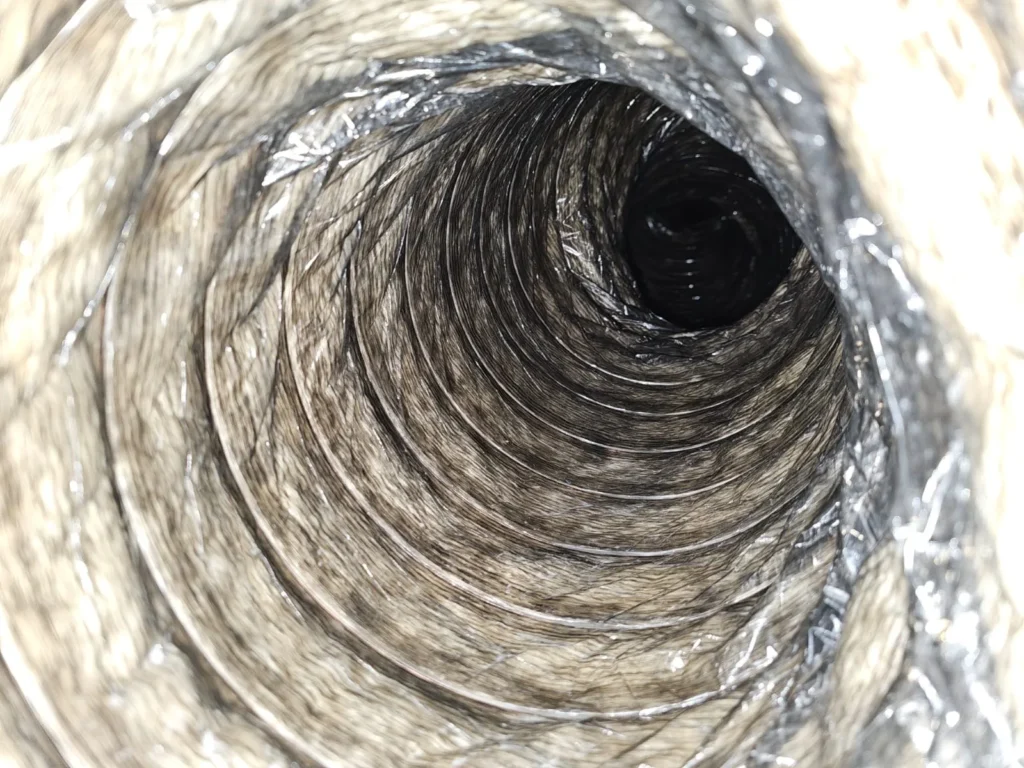
Construction dust, pet hair and debris can build up inside ducts and returns, particularly when filters fit poorly or are changed late. The EPA lists excessive dust and debris that is released into the home as one of the situations where duct cleaning should be considered. A light film of dust on a grille is normal and does not need treatment on its own.
Fix: an inspection of the accessible ductwork, followed by cleaning of the affected supply and return runs if the buildup is substantial. Check that the filter fits its slot with no gaps around the edges.
2. Moisture and suspected mold
Humid weather, condensation on cold surfaces and drain-pan problems can wet parts of the system. A musty smell or visible growth near a vent is worth investigating, but a smell alone cannot confirm mold.
Fix: find and correct the moisture source first; otherwise growth will return after cleaning. Our article on air duct cleaning and mold explains how the assessment works.
3. A restricted dryer exhaust
The dryer exhaust is a separate system from the HVAC ducts, but homeowners often notice both problems at the same time. Lint buildup restricts airflow, lengthens drying times and can contribute to overheating.
Fix: inspect and clean the full exhaust route, from the dryer to the outside termination. See ten signs your dryer exhaust vent needs attention.
4. Pests in the ductwork
Rodents and insects can enter through damaged duct runs or gaps in the building, leaving nesting material and debris. The EPA also lists vermin infestation as a reason to consider cleaning.
Fix: deal with the pests and the entry point first, then clean and repair the affected sections. Cleaning before the entry route is closed rarely lasts.
5. Leaking or damaged ducts
Torn flex duct, loose connections and crushed runs are common in attics. ENERGY STAR estimates that in a typical house about 20 to 30 percent of the air moving through the duct system is lost to leaks, holes and poorly connected ducts. Leaks also pull dusty attic air into the return side.
Fix: repair or seal the damaged sections. Cleaning does not close a leak, so ask the inspector to report damage separately from dirt.
6. Commercial systems with long run hours
Offices, shops and managed buildings often run their systems for longer hours than homes, with more people moving through the space. Buildup and odor complaints can develop faster.
Fix: a scoped inspection of the building’s systems, then cleaning planned around occupancy. See our commercial services.
How to tell which problem you have
Write down what you notice before calling: which rooms are affected, when the problem started and whether it changed after remodeling, a leak or equipment work. Take photos of anything visible. That information helps the technician separate a cleaning need from a repair or equipment fault.
Then ask for a written scope that lists what will be cleaned, what needs repair and what could not be inspected. Our guide to what professional duct cleaning includes lists the questions to ask.